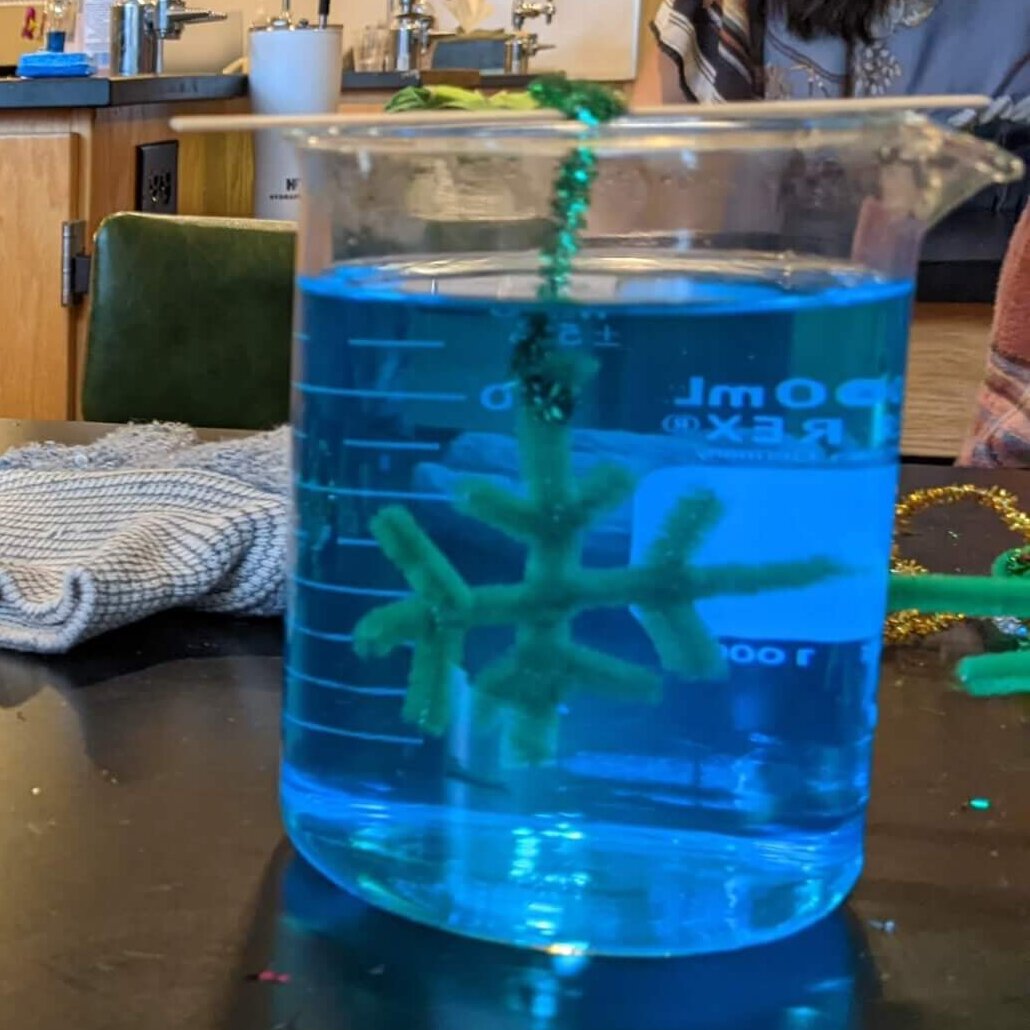
AP Bio Enzyme Lab
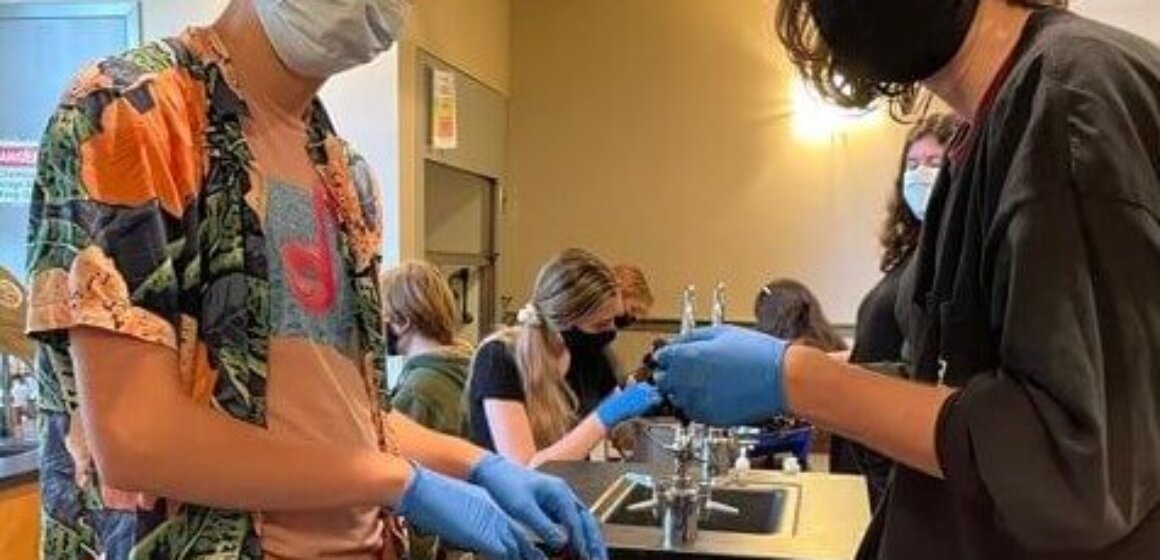
We caught the AP Biology students designing experiments to see what can affect the rate of an enzymatic reaction.

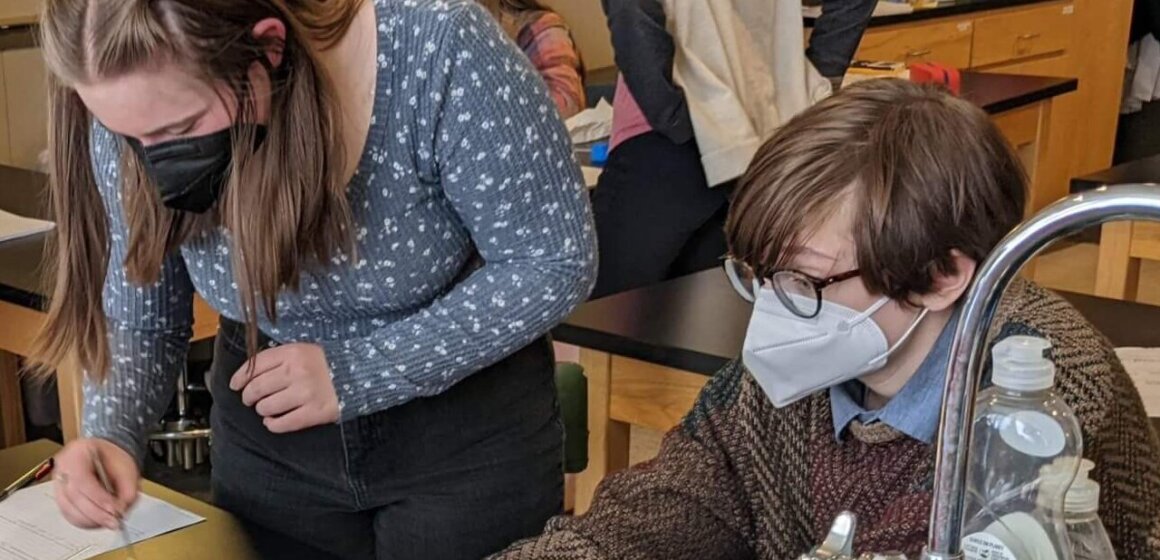
We caught the AP Biology students designing experiments to see what can affect the rate of an enzymatic reaction.


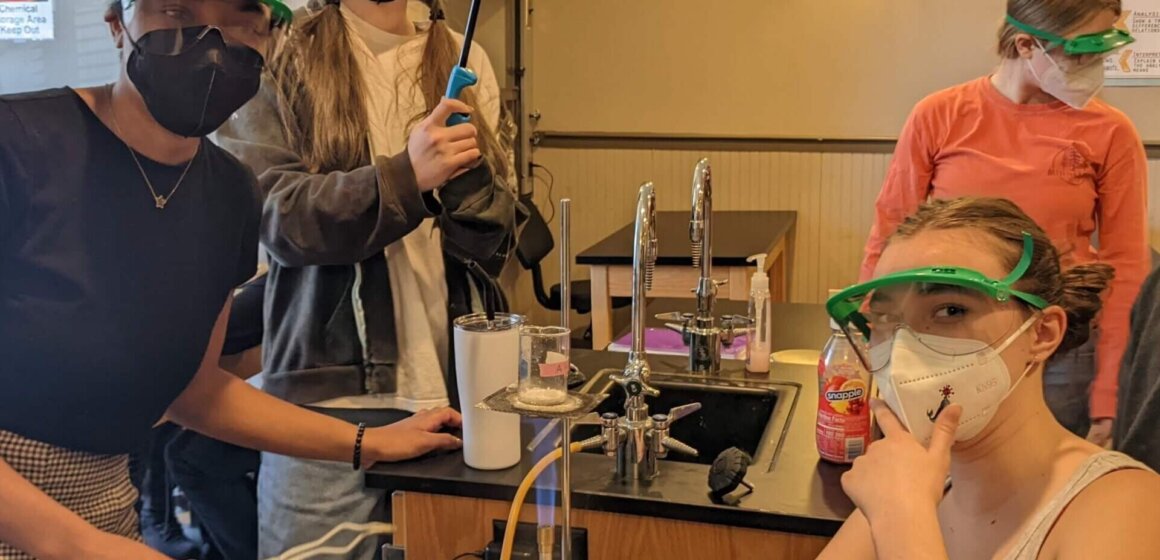

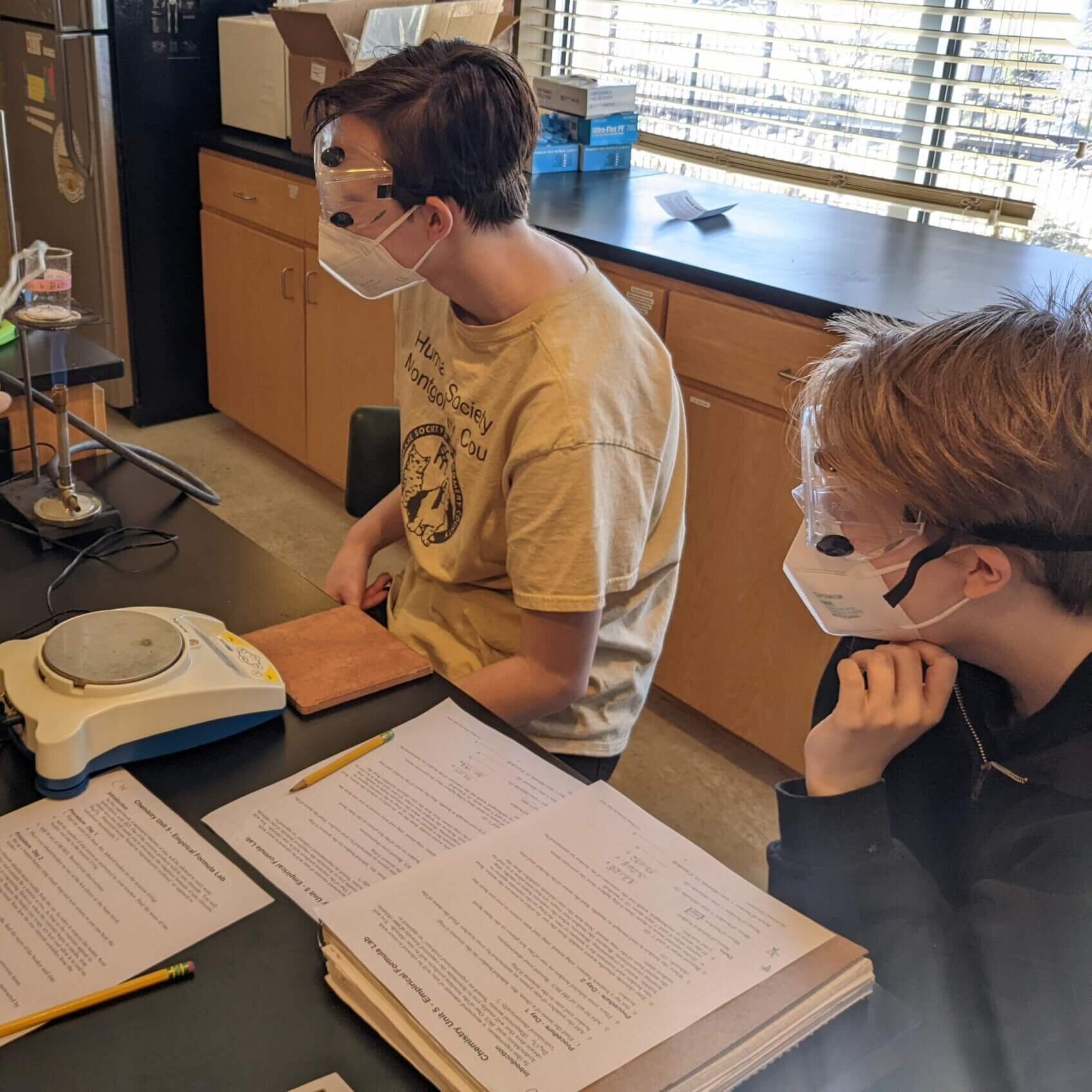

This week in chemistry lab the students have been challenged to experimentally determine the formula for zinc chloride.
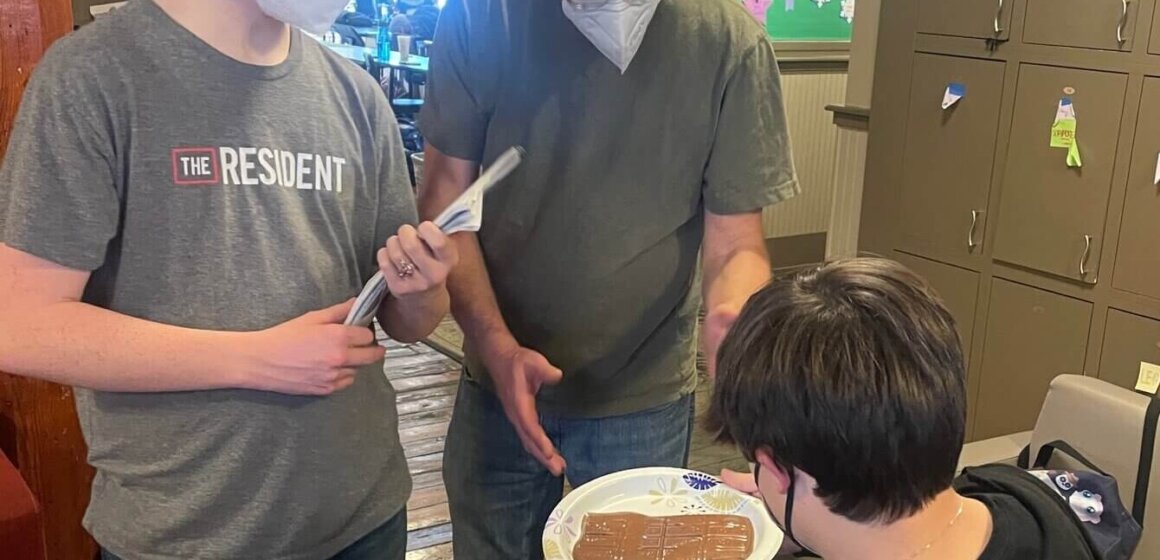
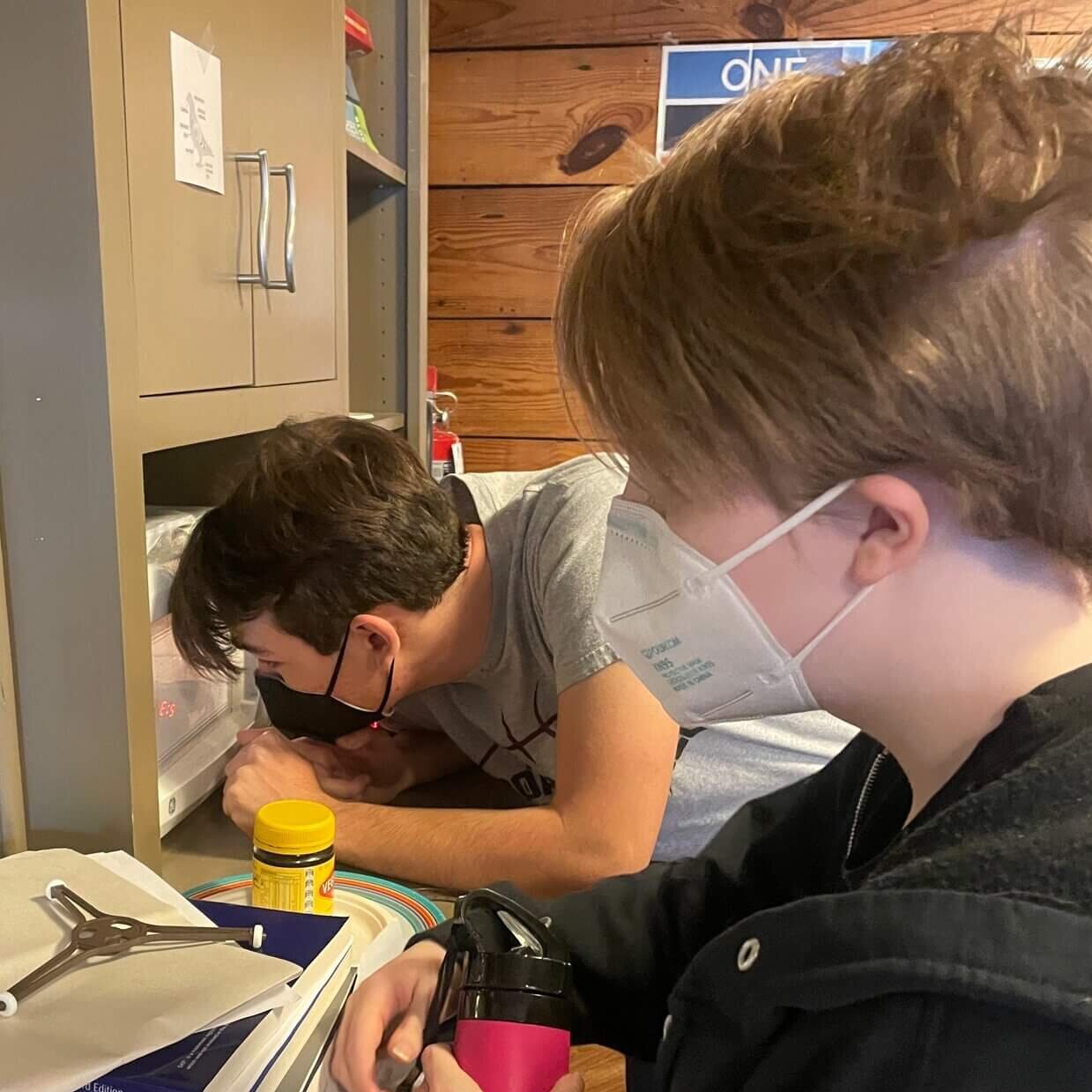
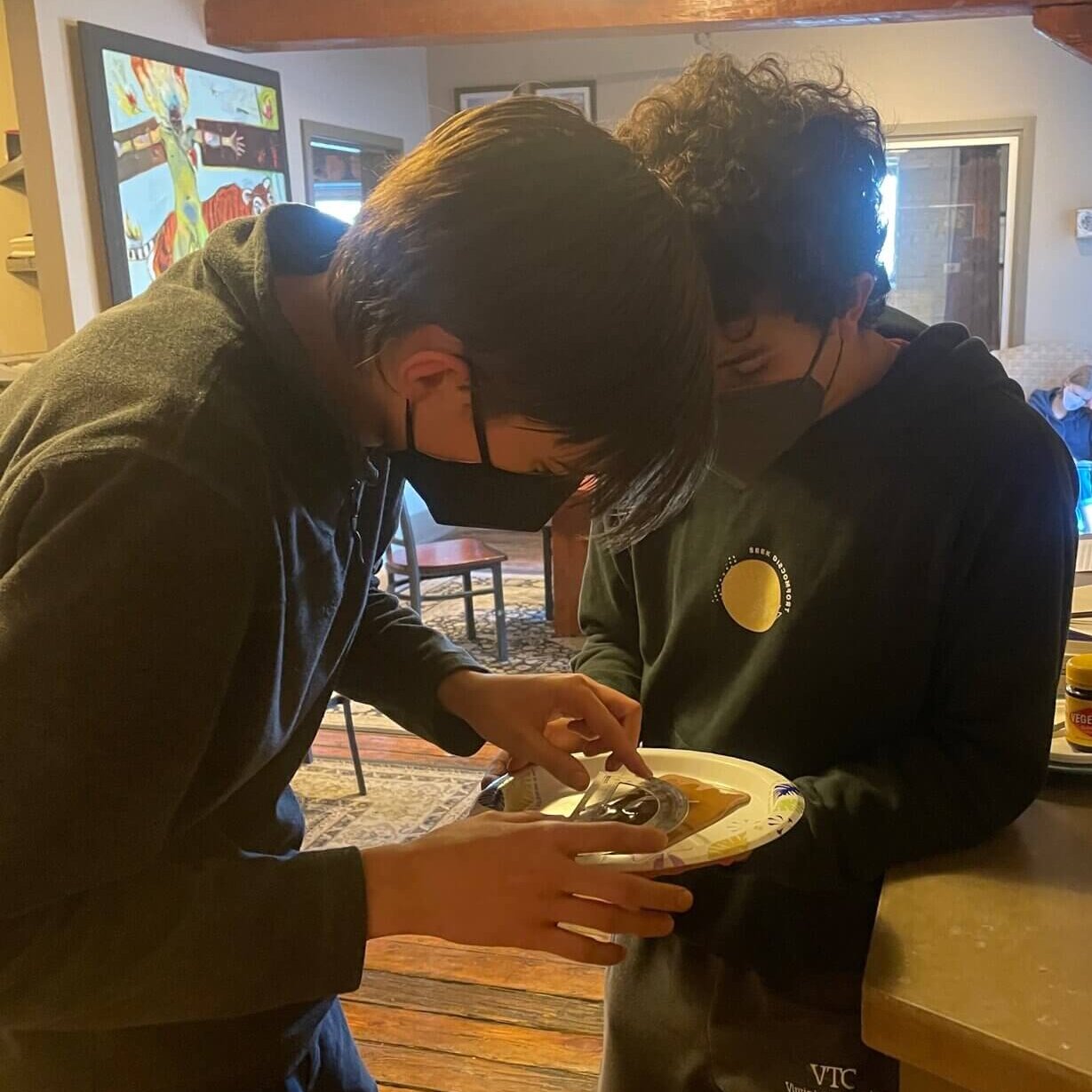
The physics class conducted a “sweet” experiment to calculate the speed of light using the distance between melted spots on their chocolate bars and the frequency of their student lounge microwave.

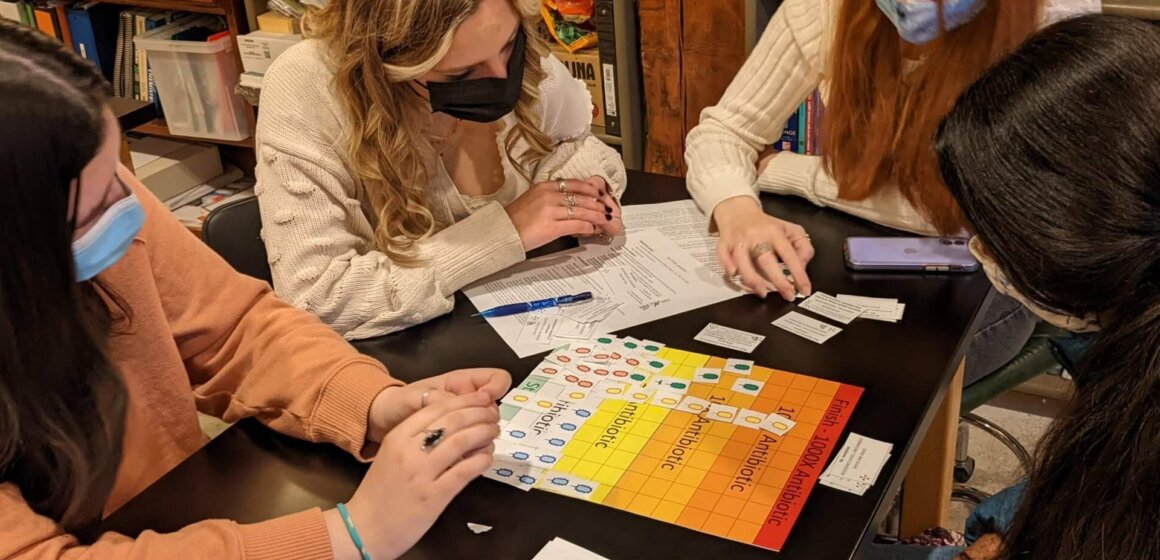
You may have played Candyland to learn your colors, Monopoly to learn how to count money, and Settlers of Catan to learn strategy and negotiation. But have you ever played a board game to learn about antibiotic resistance? Our Biology students have.
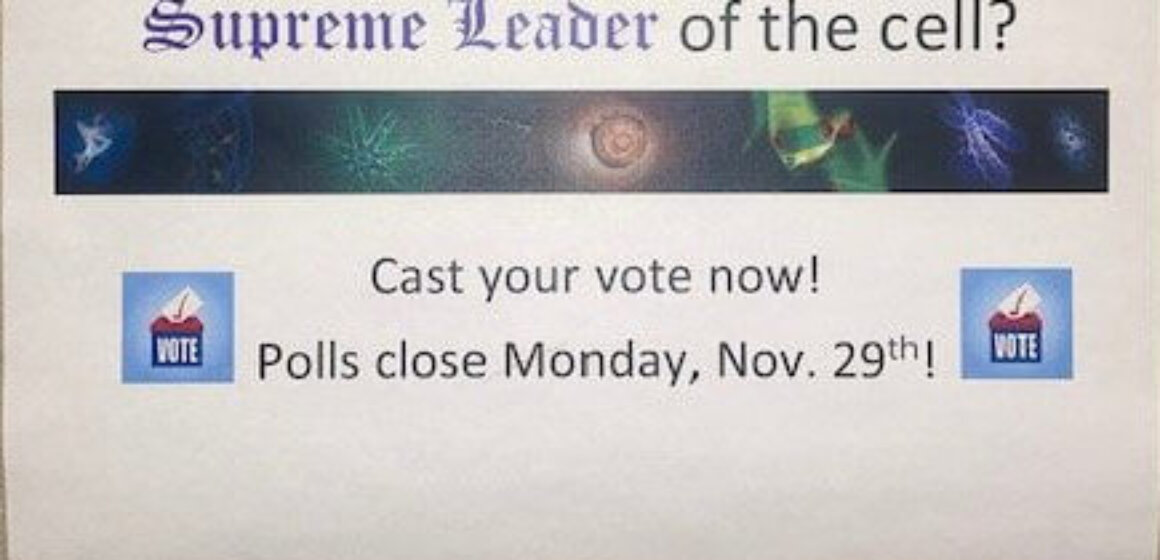
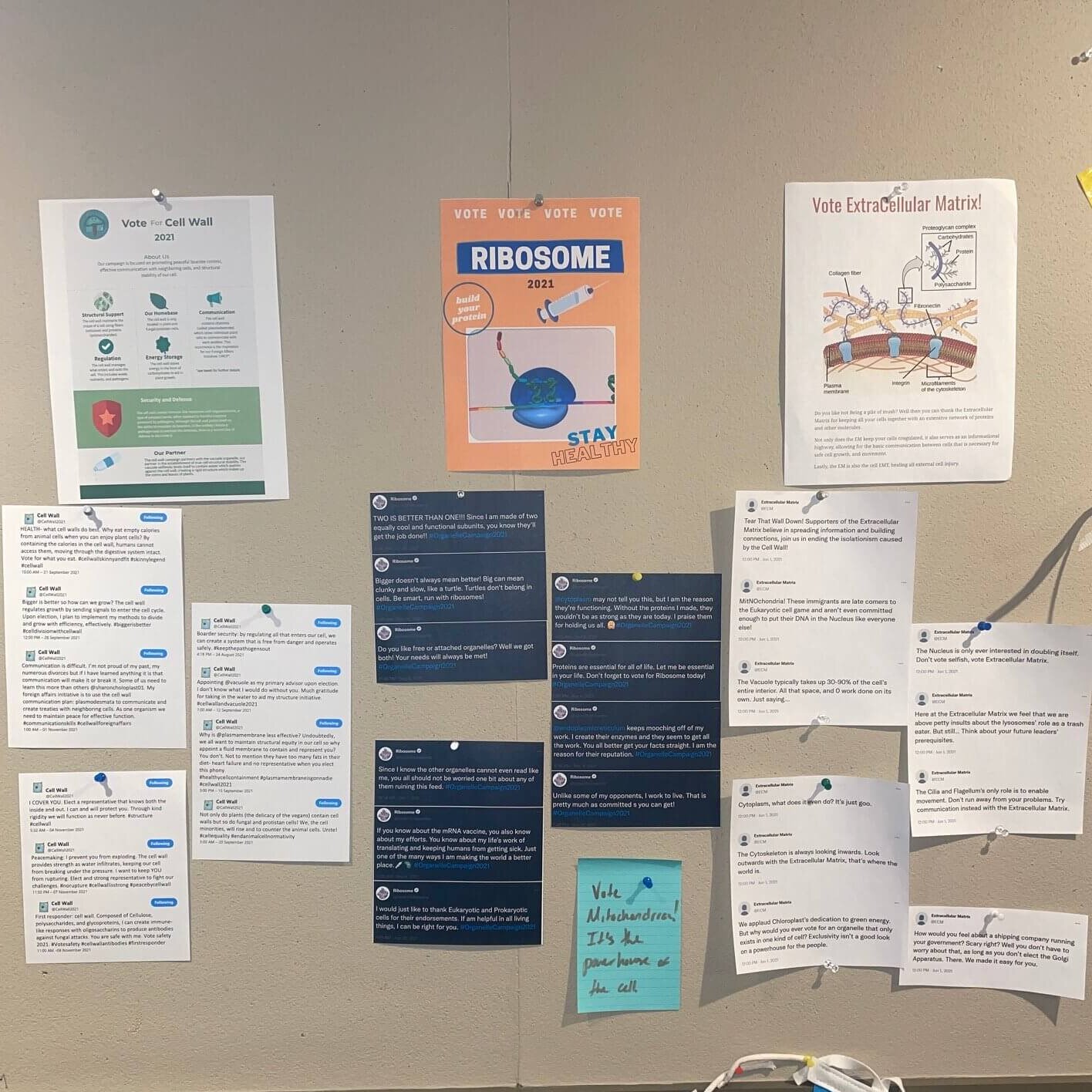
The AP Biology students made strong arguments for which cell organelle should rank as Supreme Leader. The votes were tallied and this year the Lysosome has been awarded this prestigious title.


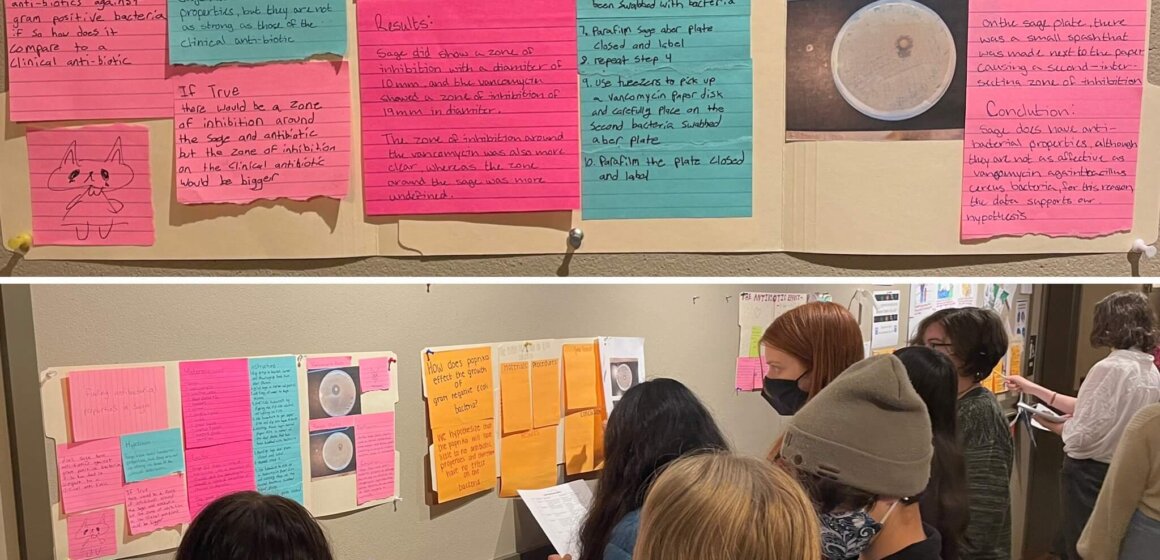
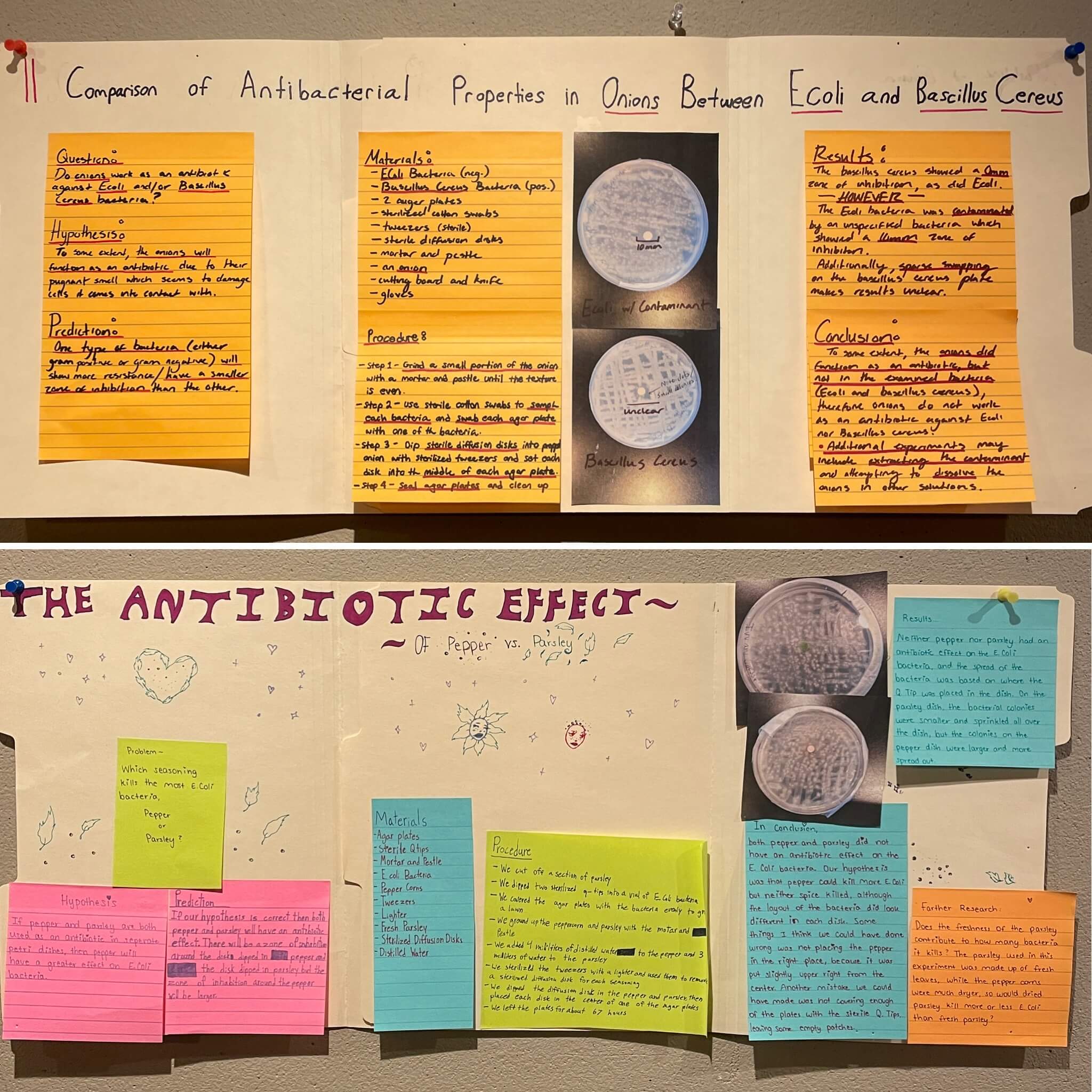
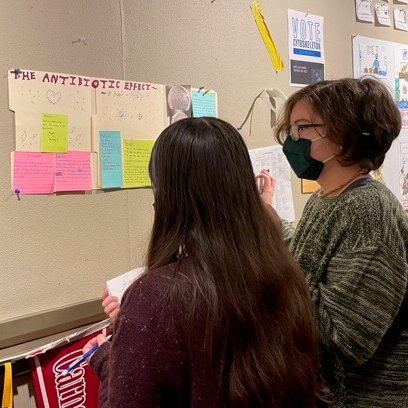
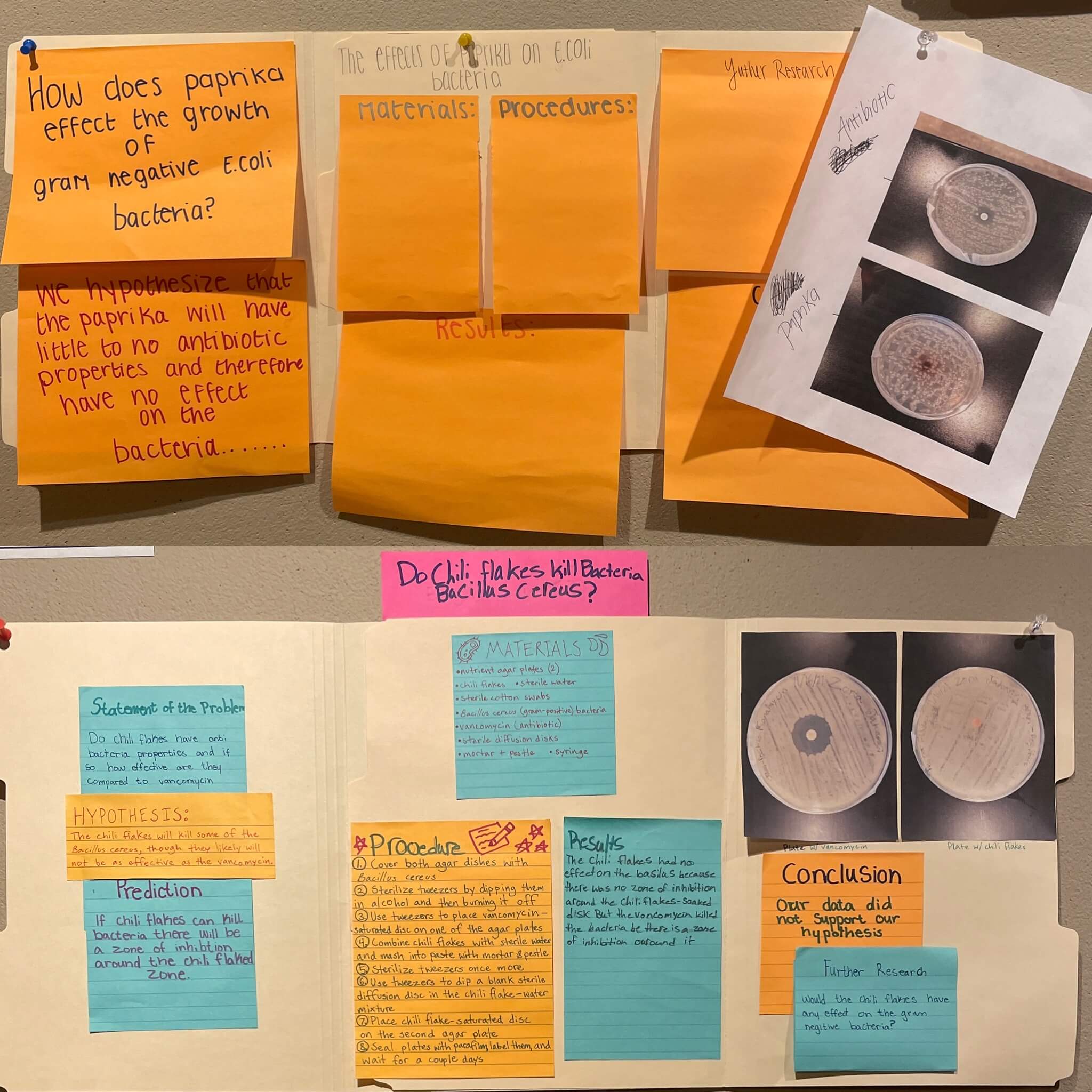
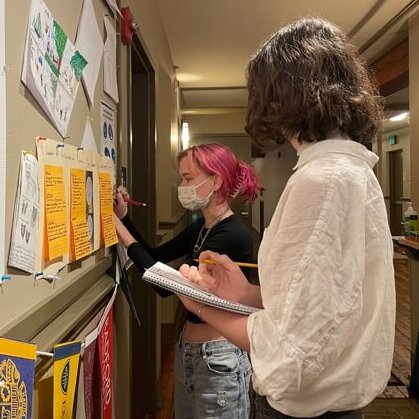
The Biology class designed experiments to determine if common cooking ingredients contained natural antibiotic properties. The students observed an antibiotic effect from sage as well as onions, which may suggest making homemade stuffing is worth the effort.
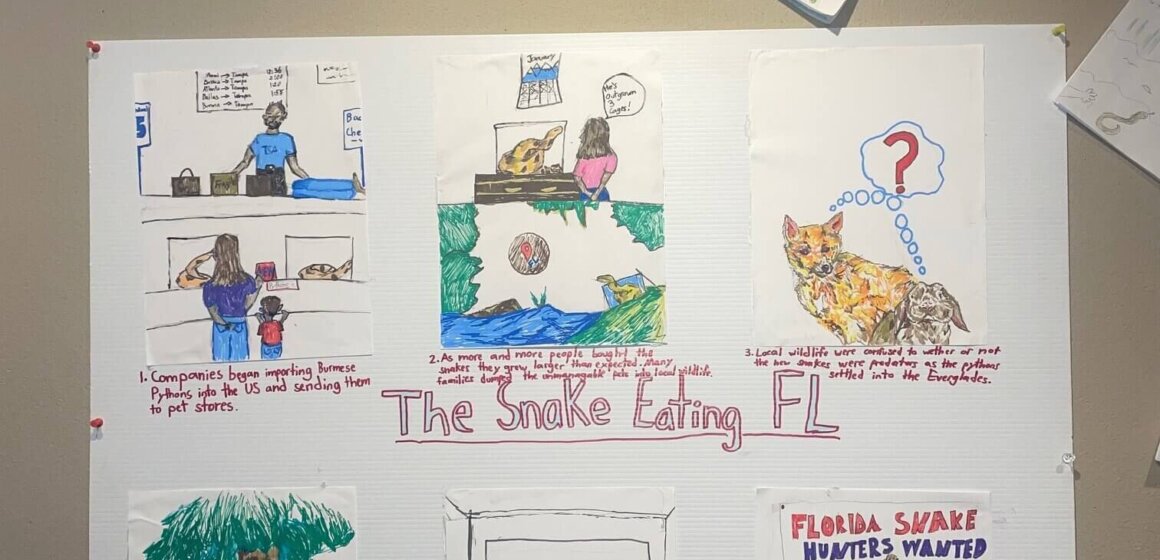
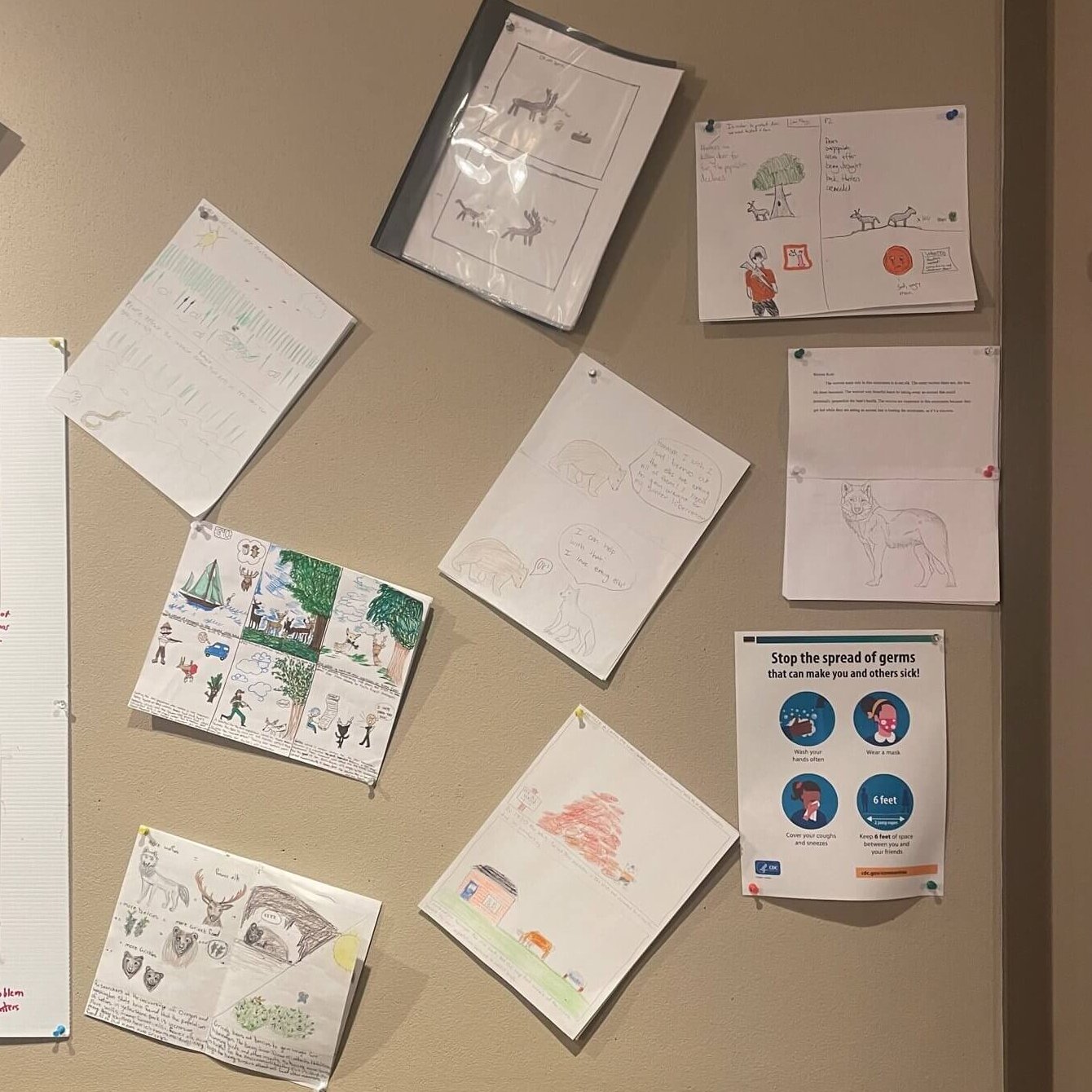
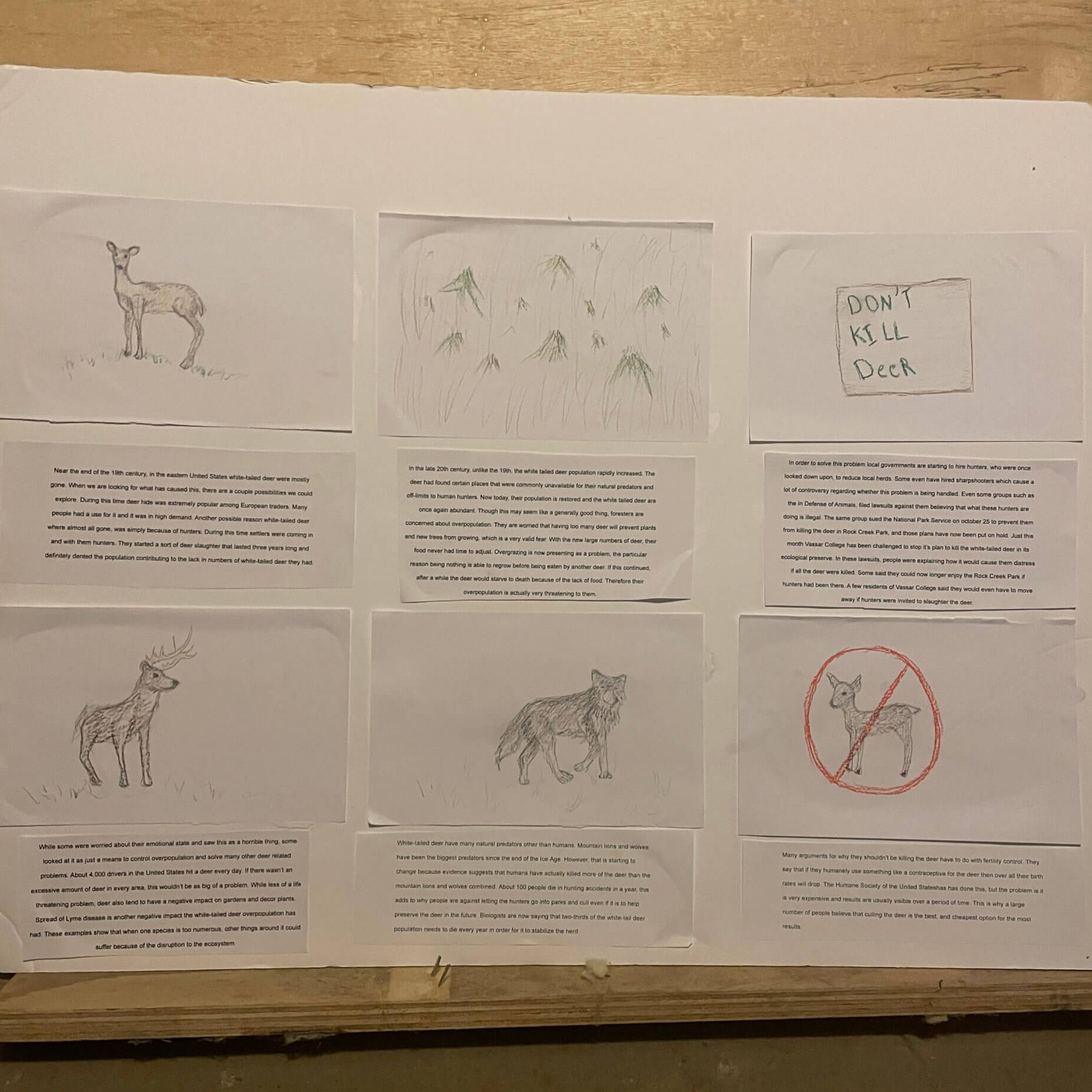
The Environmental Science class created story boards detailing the interactions between species in multiple United States ecosystems.
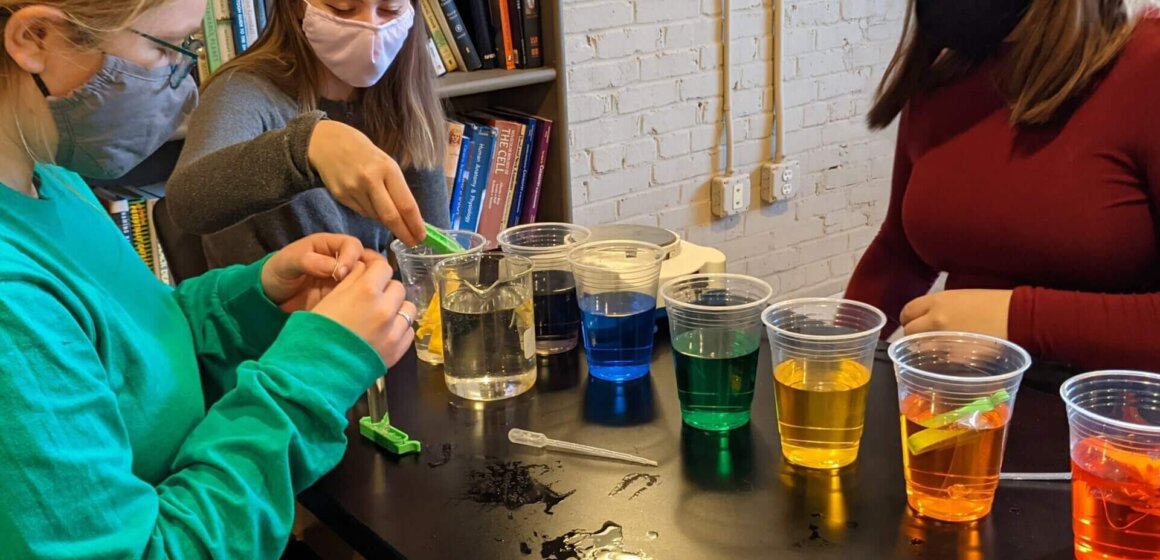
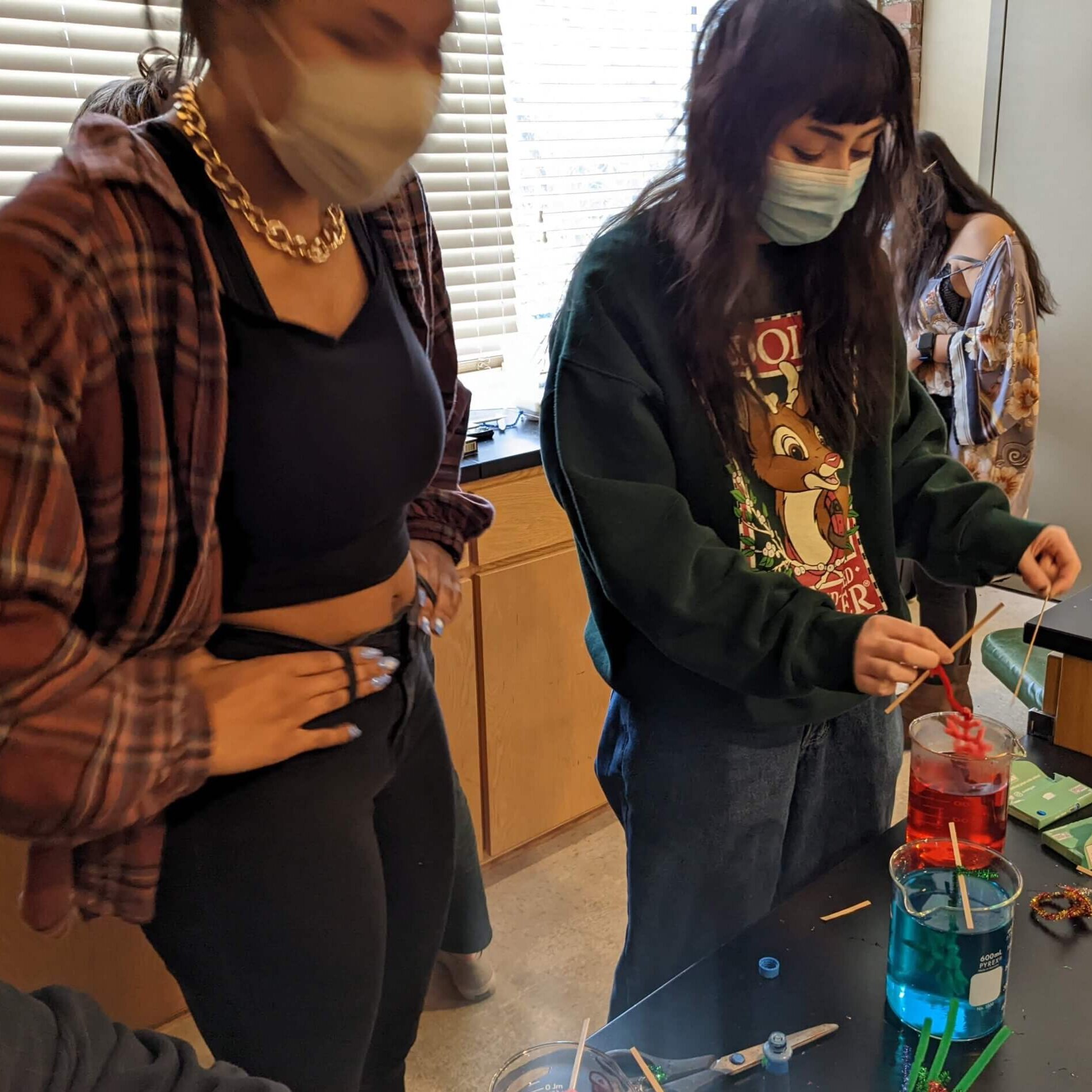
The AP biology students learned about osmosis by determining the concentrations of unknown colored solutions.
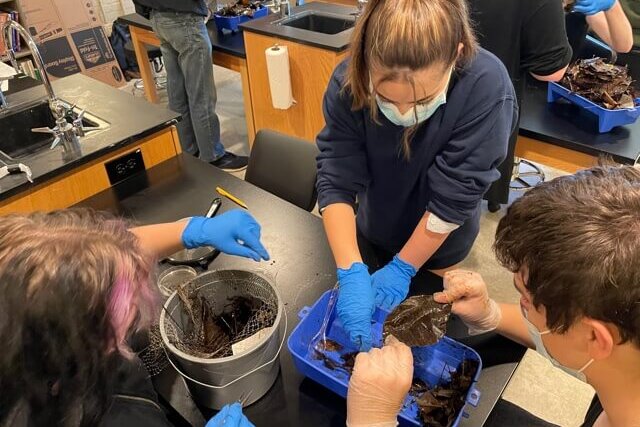
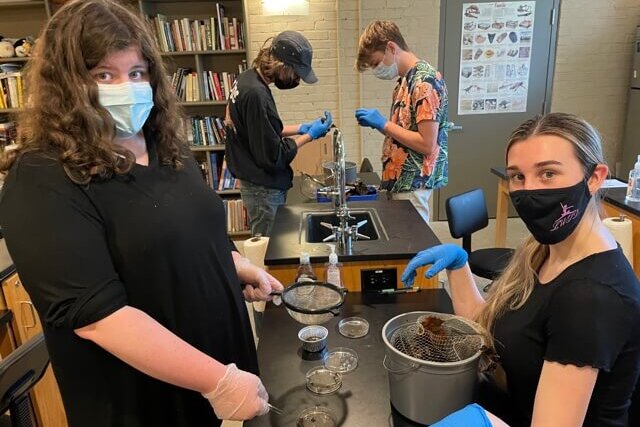
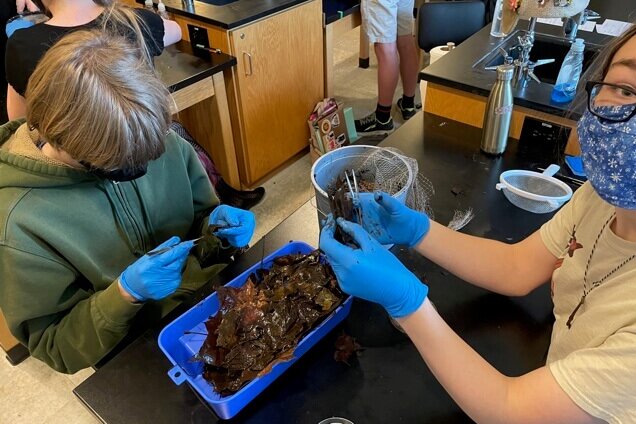
Meg‘s Environmental Science class identified and counted macroinvertebrate organisms gathered in experimental leaf pack bags over the past two weeks in Carvin Creek. The class is going to use the data to assess stream quality and learn about habitat characteristics for these little critters.