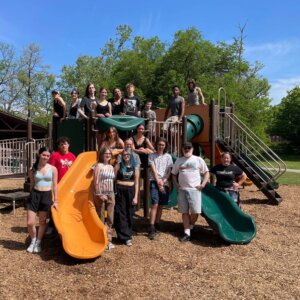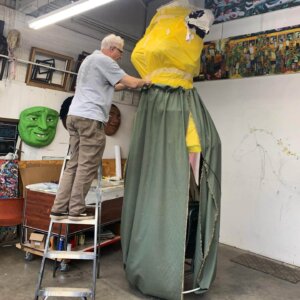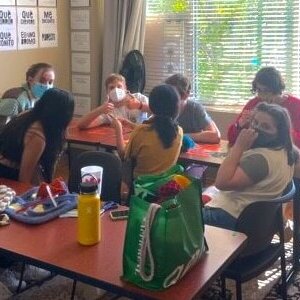
Community High School strives to create meaningful exchanges with regional partners that champion diversity, inclusion, and civic agency. Through outreach programming, volunteer opportunities, curricular choice, professional development, recruitment initiatives, arts programming, and community service, we hope to provide the context and tools for CHS students and staff to work for the changes they want to see.
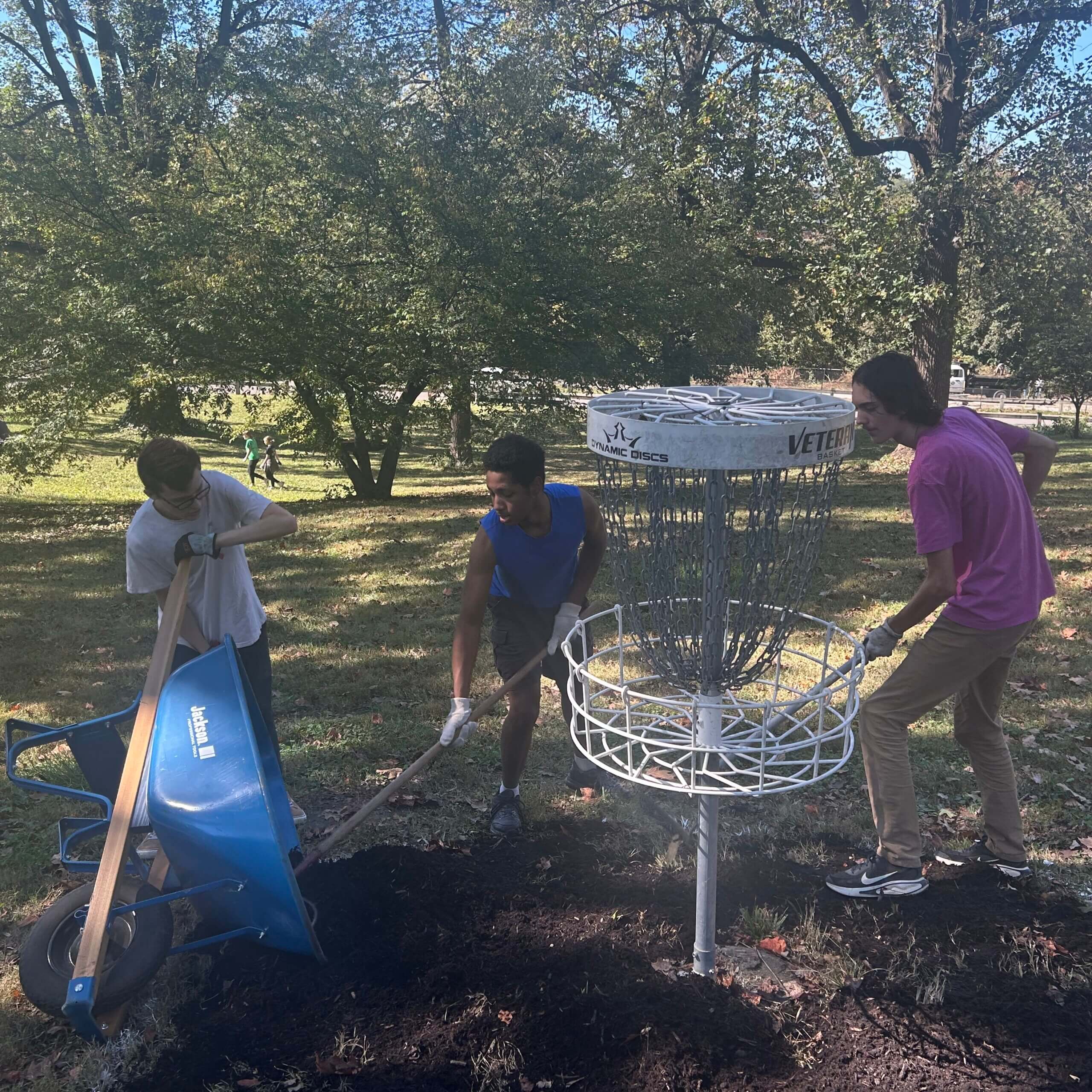
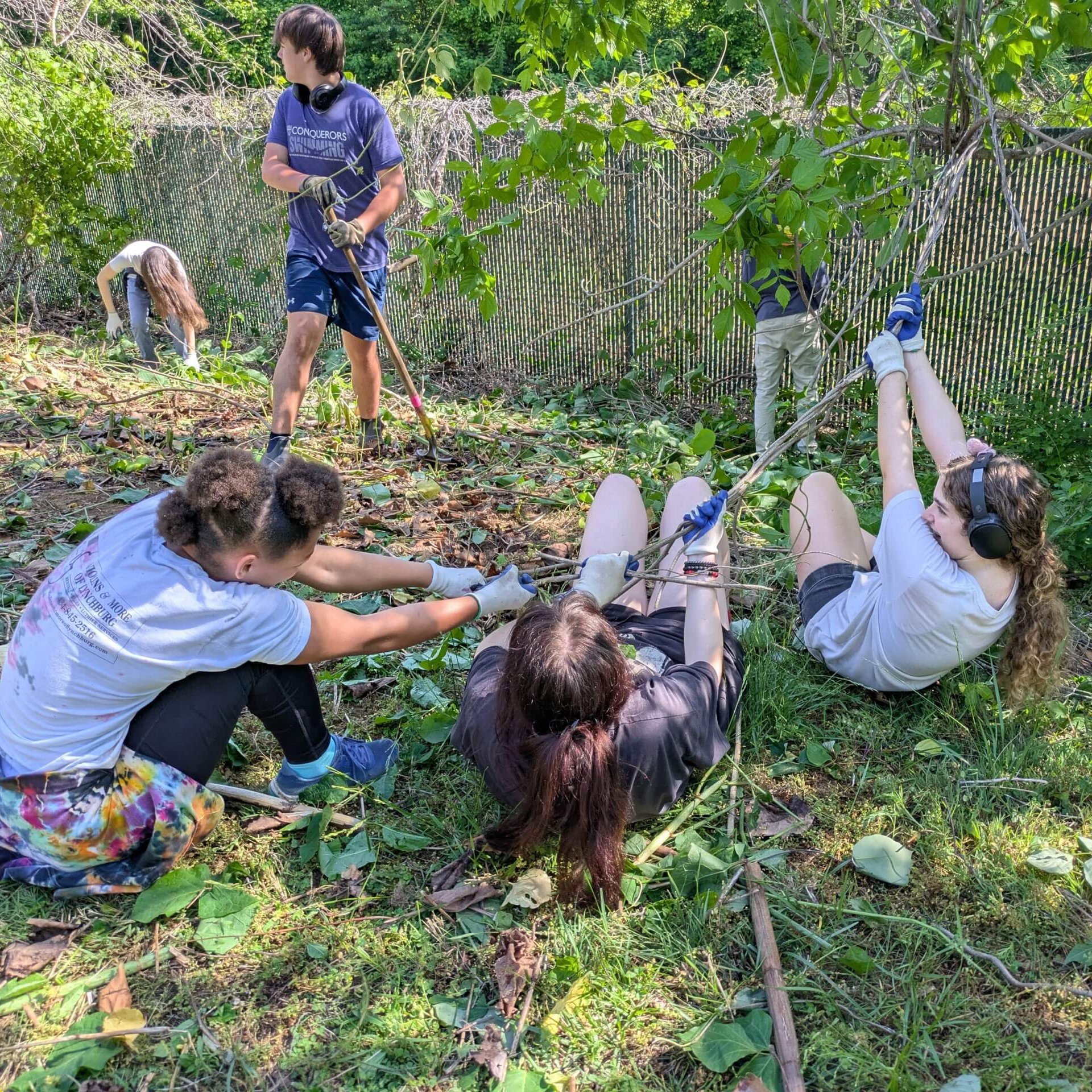
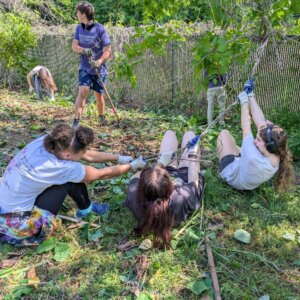
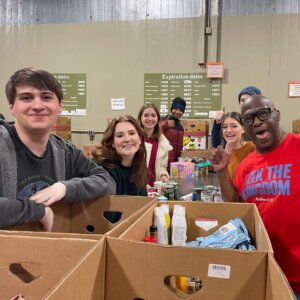
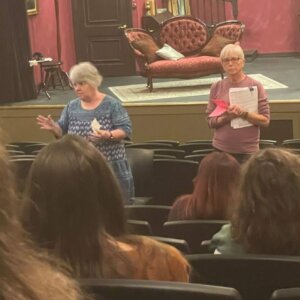
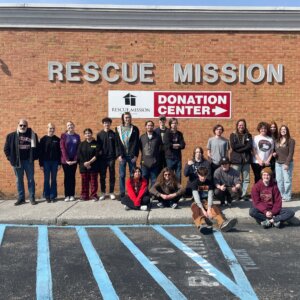
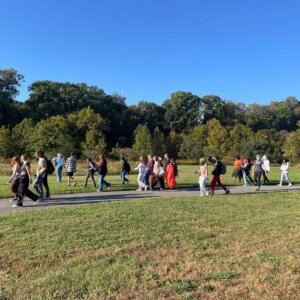
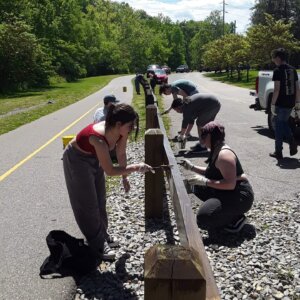
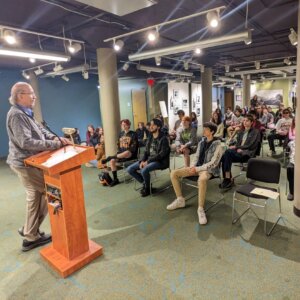
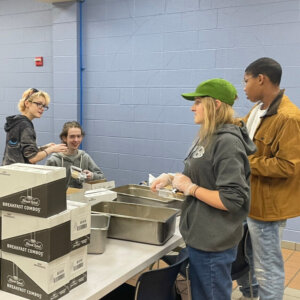
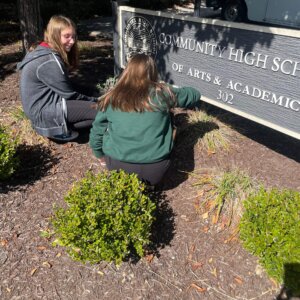
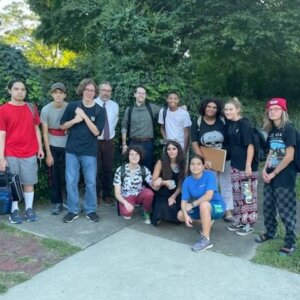
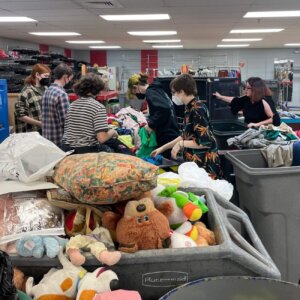
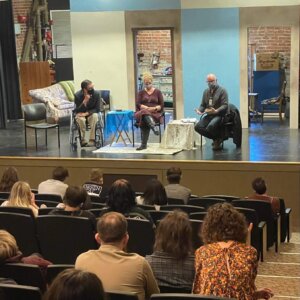
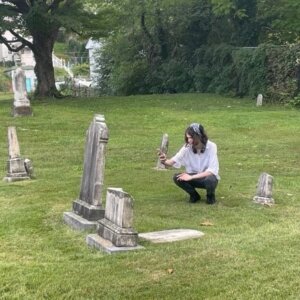
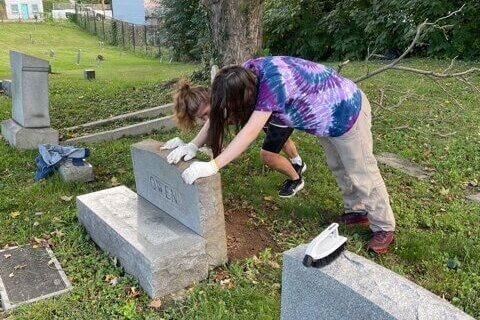
To this end, CHS continually seeks to develop meaningful partnerships with a variety of regional organizations. Since 2013, these efforts have resulted in opportunities for students to serve with groups including the Rescue Mission of Roanoke, Feeding America, Roanoke Transit Assistance, Goodwill, the Christian Soldiers Food Bank, the Salvation Army, and Habitat for Humanity. Students have been encouraged to participate in partnerships with organizations promoting diversity such as the Harrison Museum of African-American Culture, Points of Diversity, the Roanoke LGBTQ History Project, the Henry Street Festival, and the Roanoke LGBTQ Zine. Student groups work as mentors with diverse and underserved communities for TAP’s Super Hero Kids and Head Start programs, Maker Mart, Mental Health of America, REACH (SE Roanoke), and Roanoke Refugee Partnership. Periodic guest speakers and panels have discussed issues such as voter suppression, racial parity, gentrification, and LGBTQ+ rights with the entire student body (see examples HERE). Students have undertaken urban gardening projects and clean-up of the neglected historic African-American cemetery in Gainsboro, and supplement their academic work on issues of inequality in programs such as Model UN, in addition to many service projects taken upon themselves beyond those listed which are specifically facilitated by CHS.
These initiatives are regularly undertaken over and above the central place held by concerns of social justice and diverse narratives in Community High School’s educational philosophy, which strives to make them an inseparable aspect of all intellectual activity. While most evident in the Humanities offerings in which discourses and histories of minorities and oppressed groups are regularly incorporated from their conception, this ethical underpinning resonates as strongly throughout the whole curriculum, including classes whose content may make it less apparent. A partial list of class offerings from the last eight years which focused especially on issues of race, gender, and institutional inequality can be viewed HERE.