Merry (Brothers) Grimmas
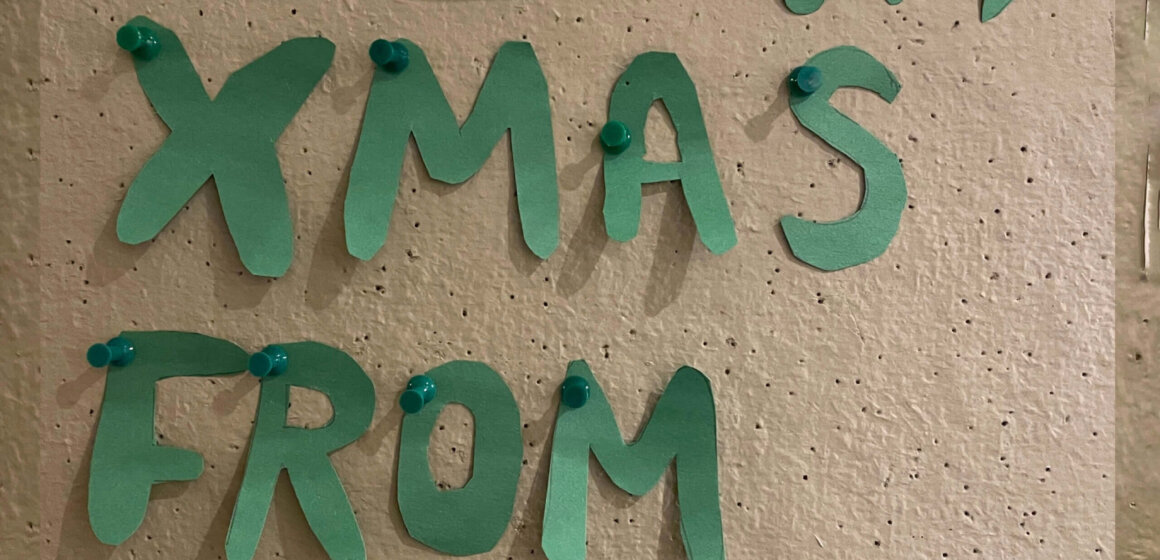
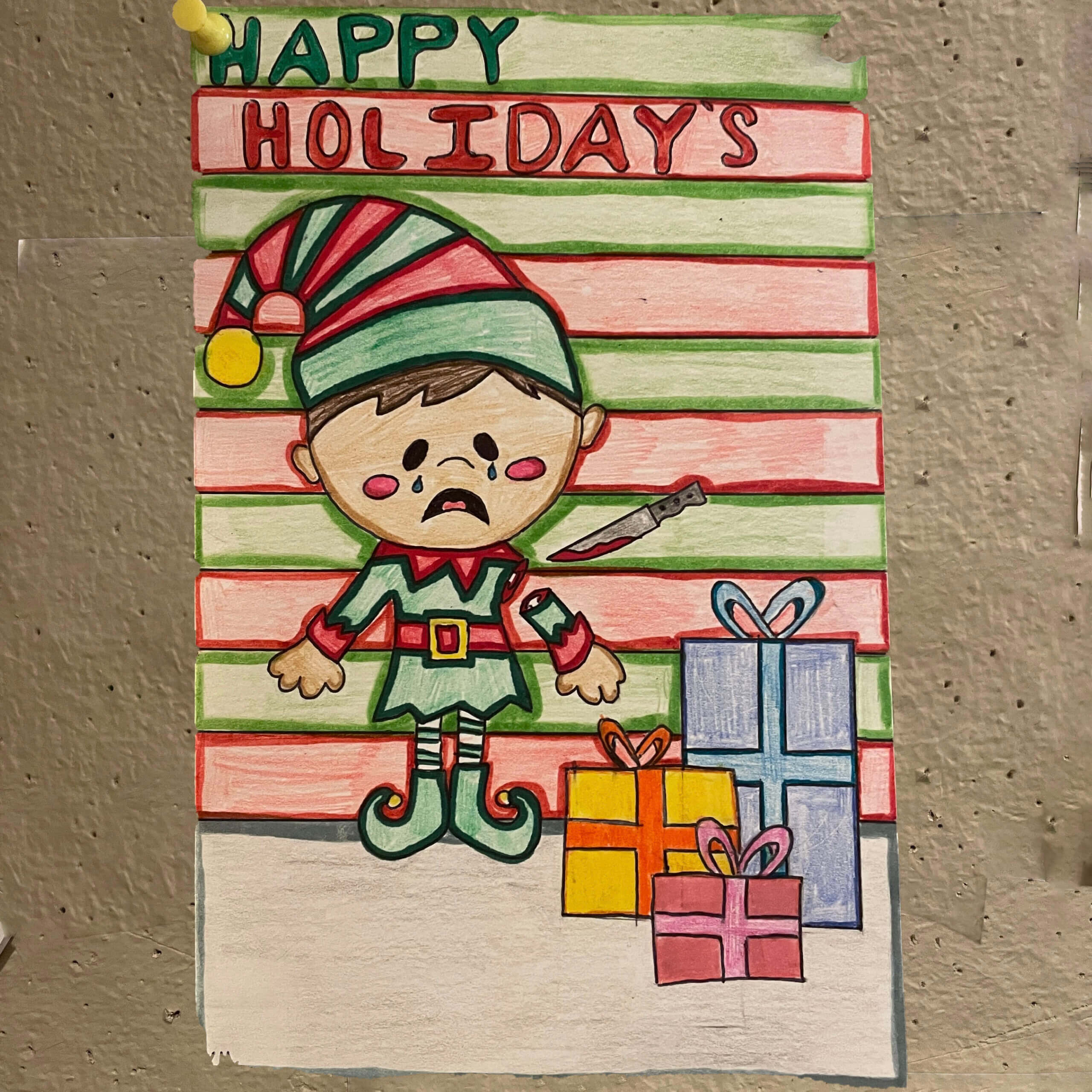
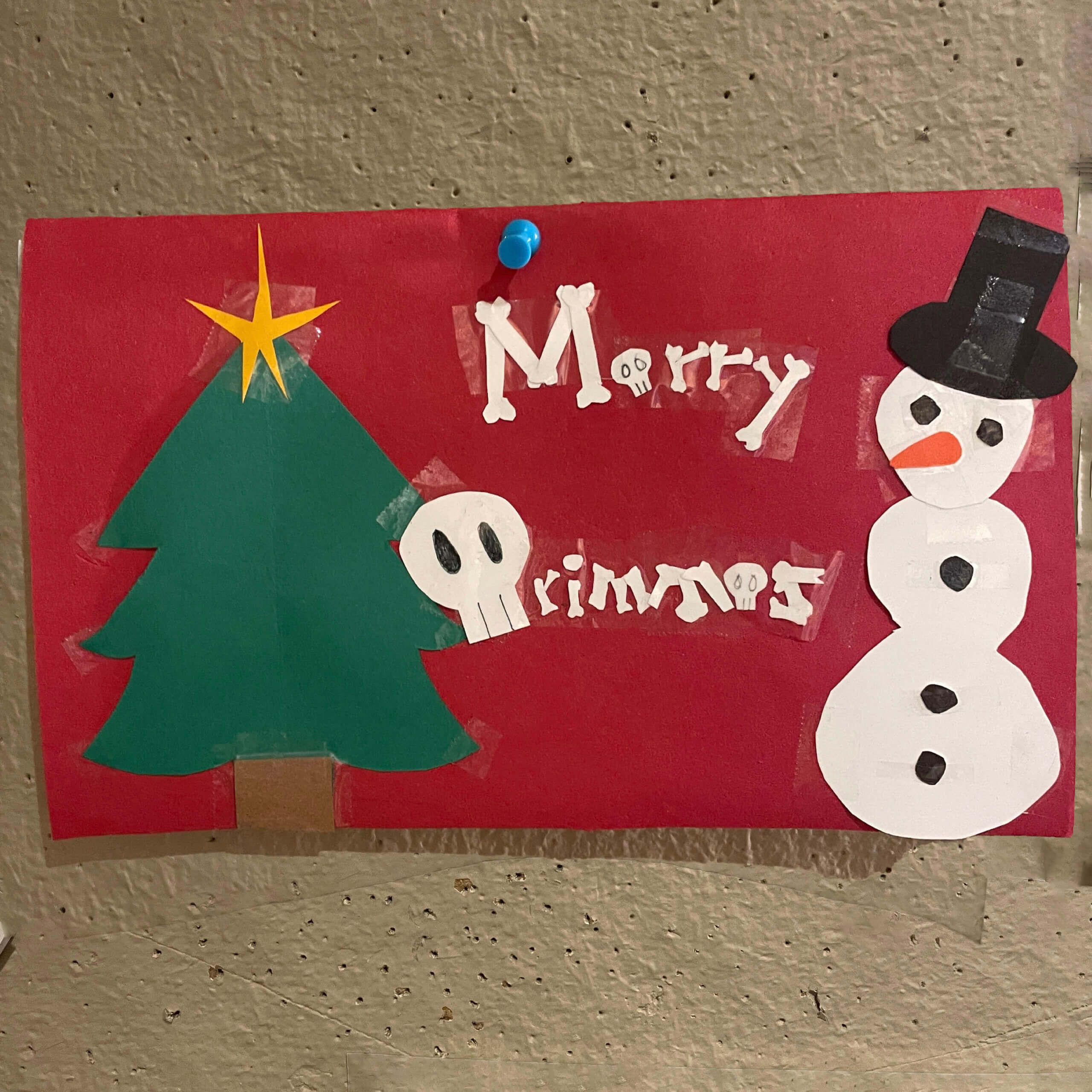
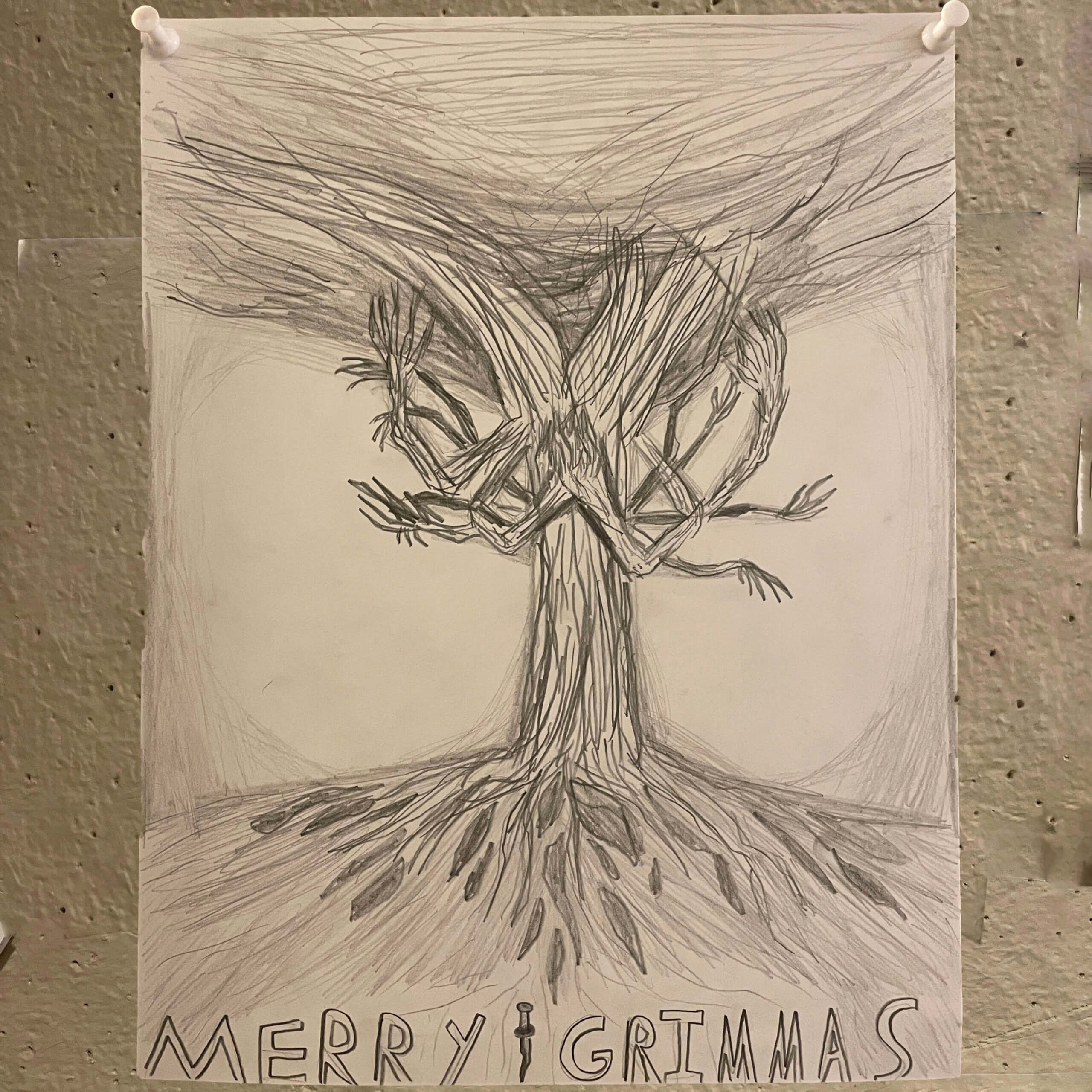
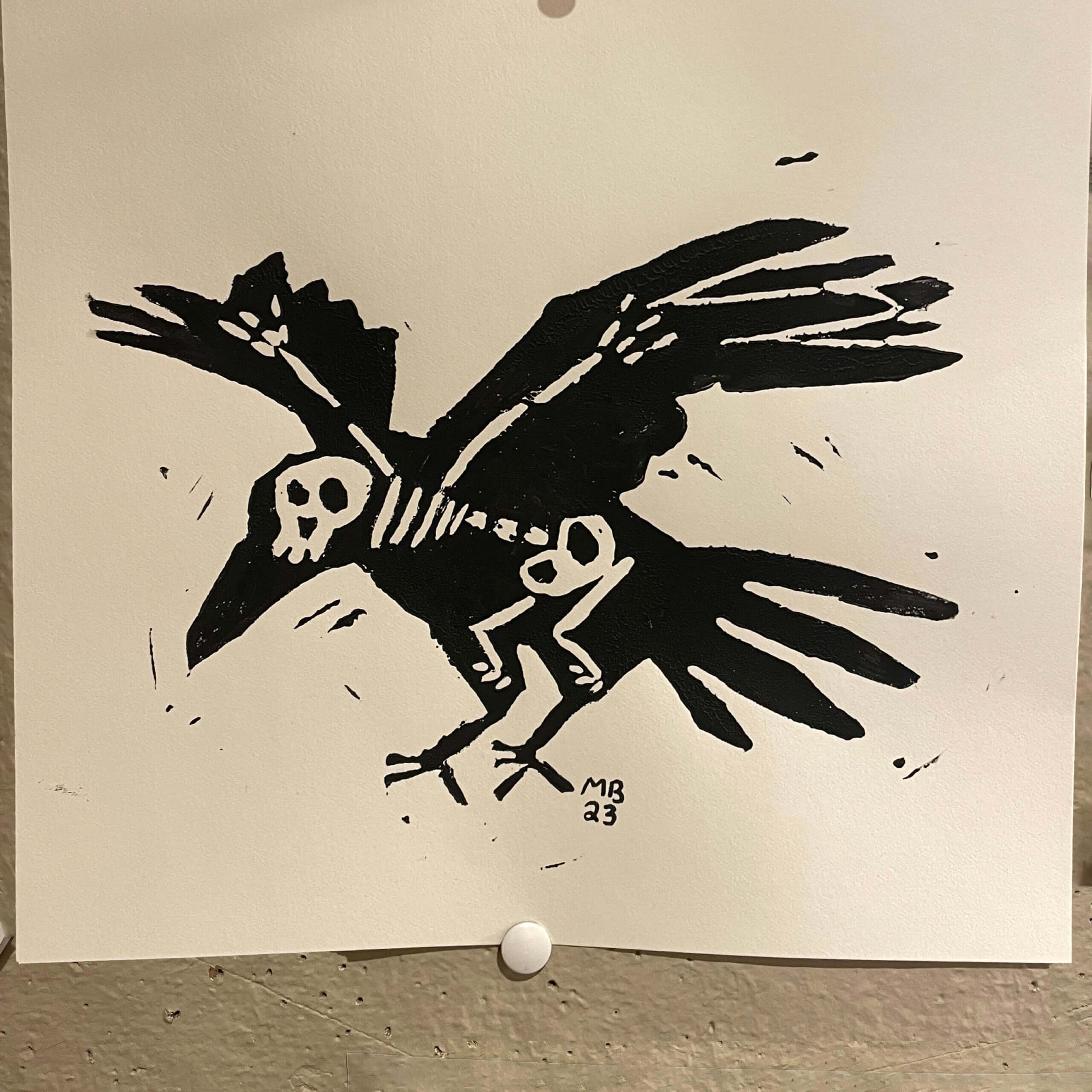
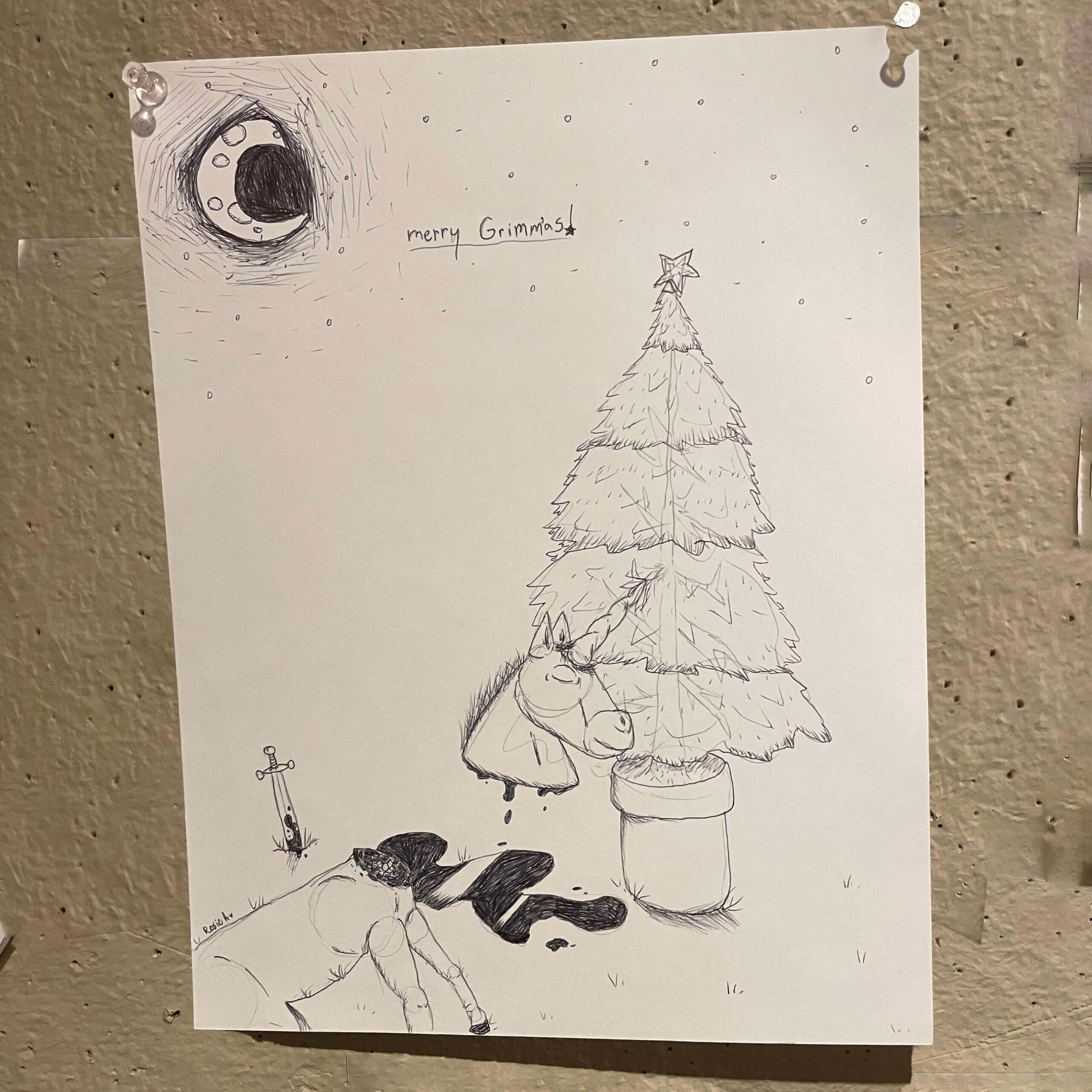
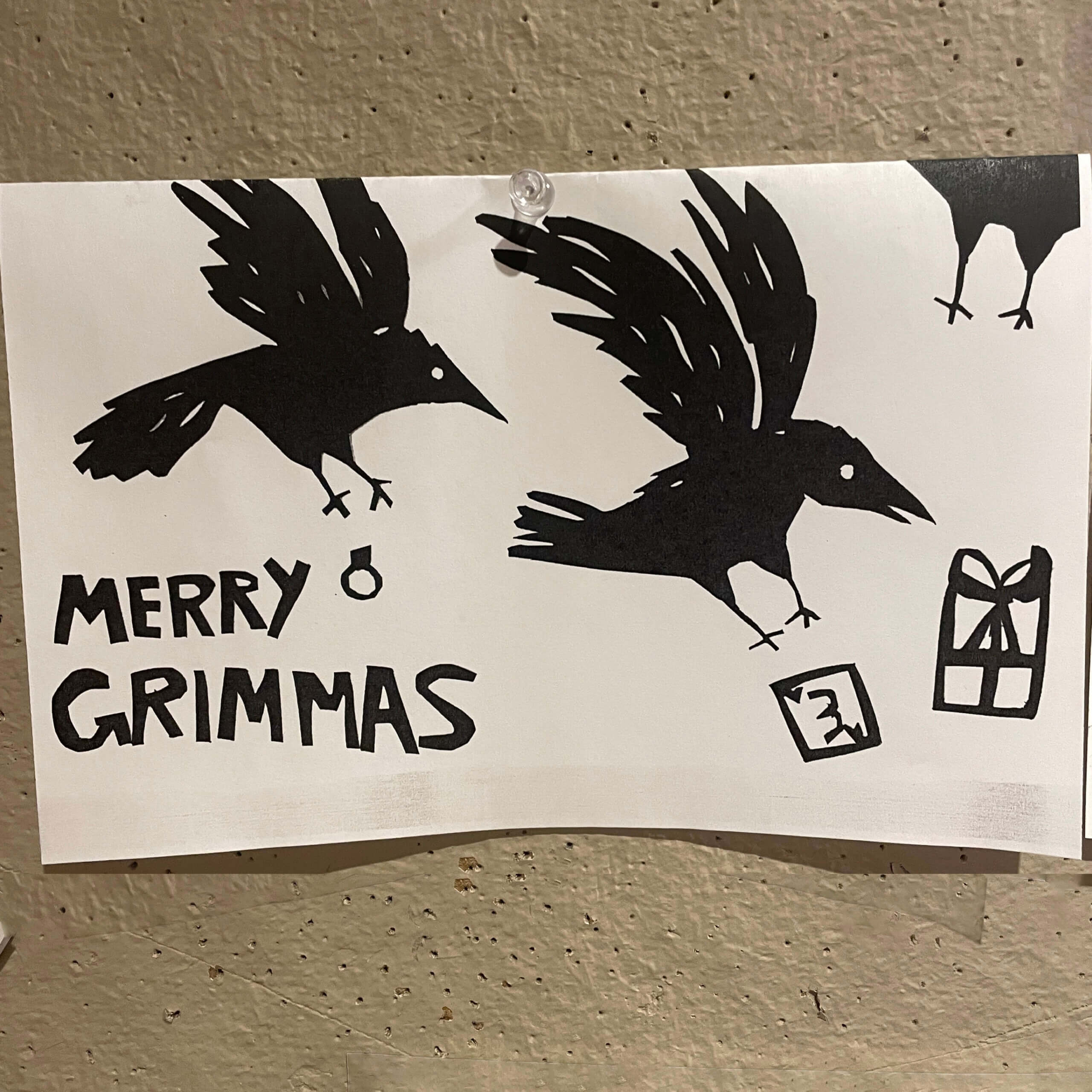
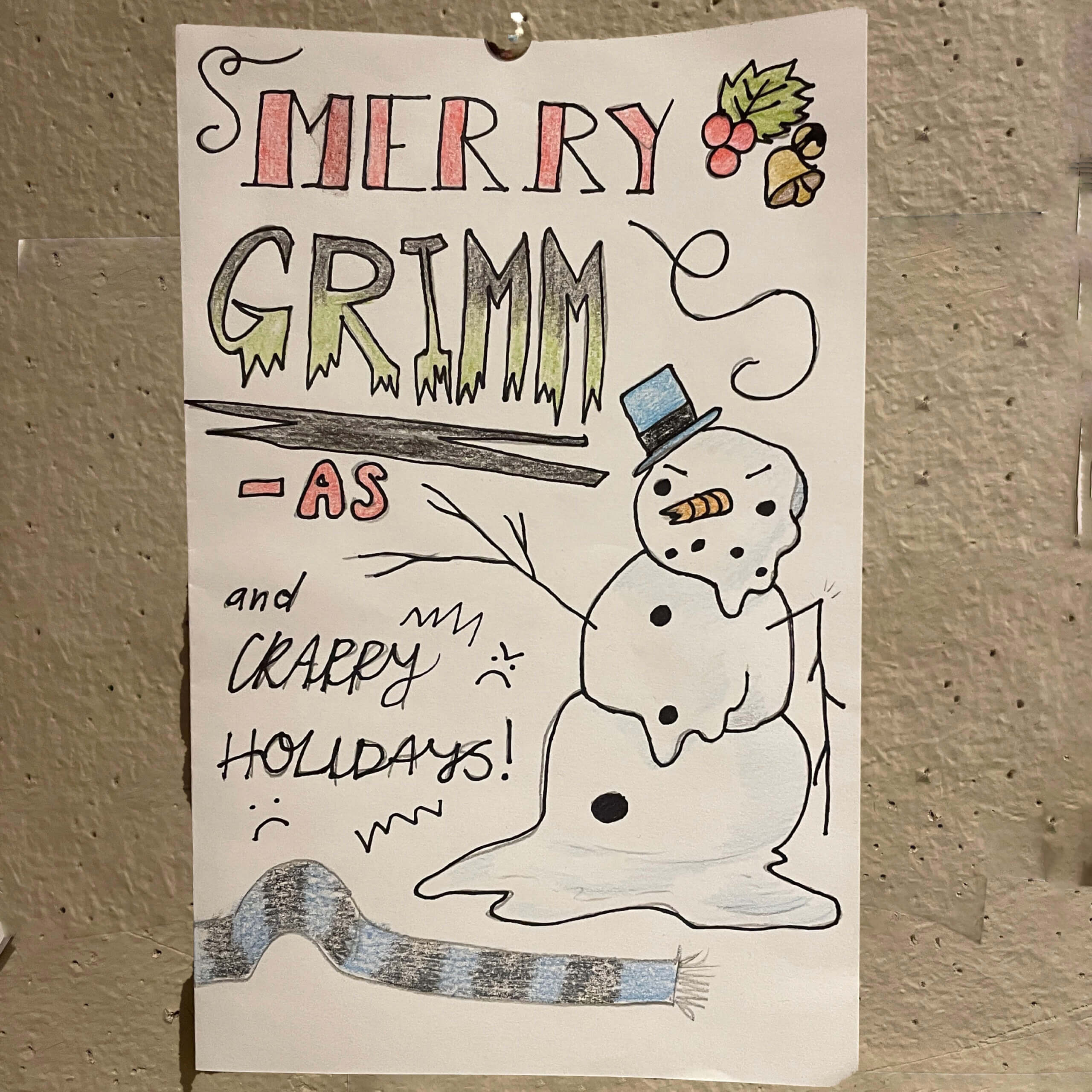
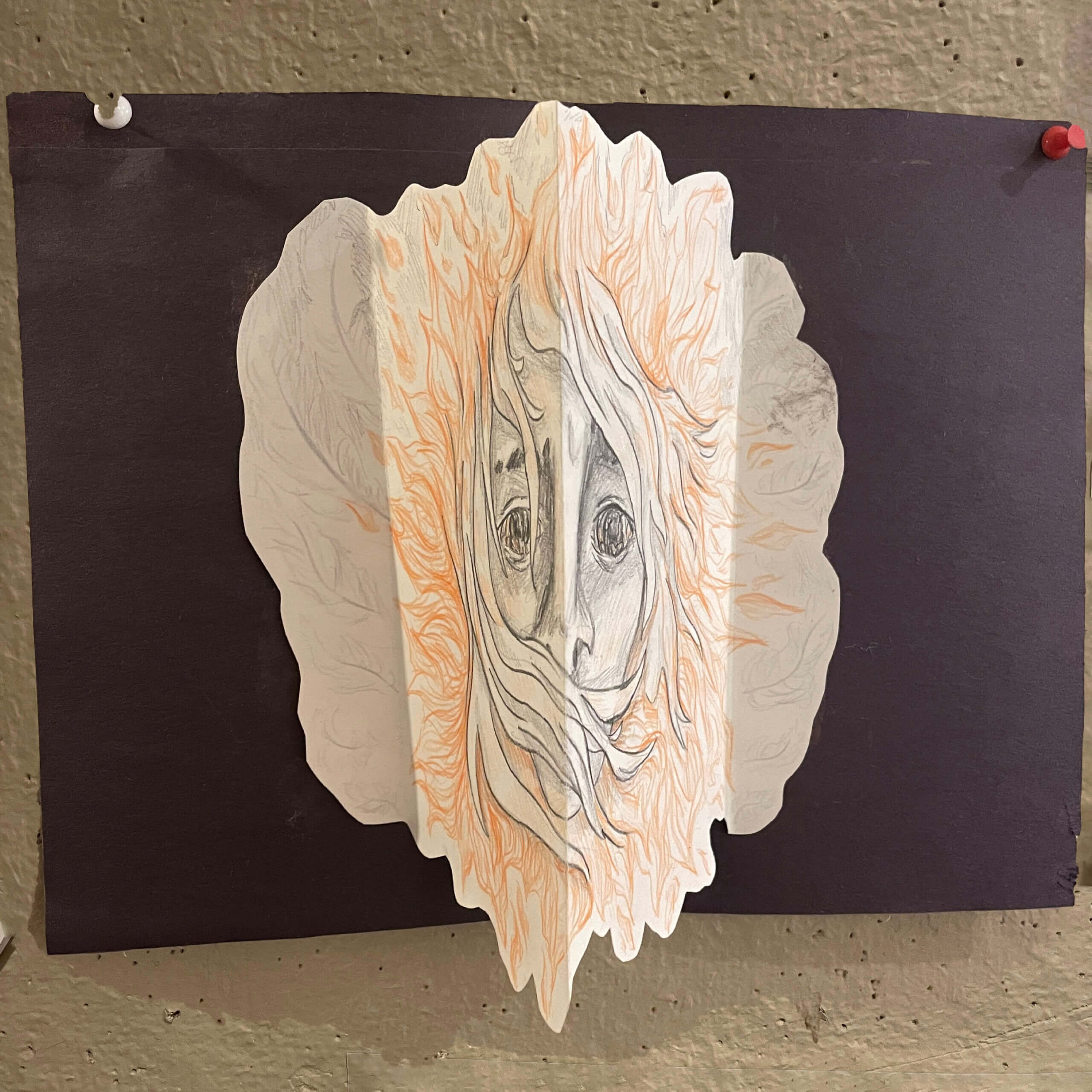
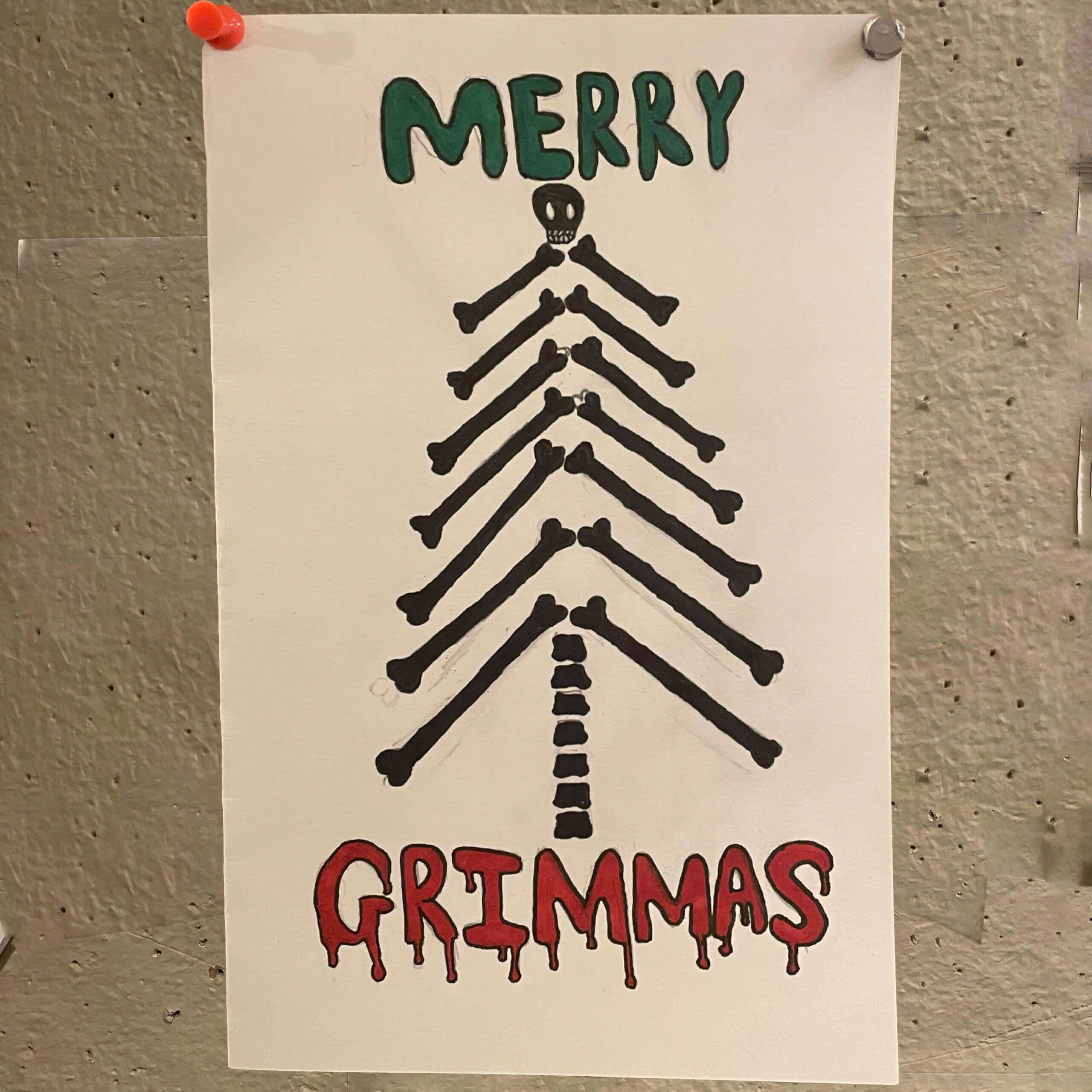
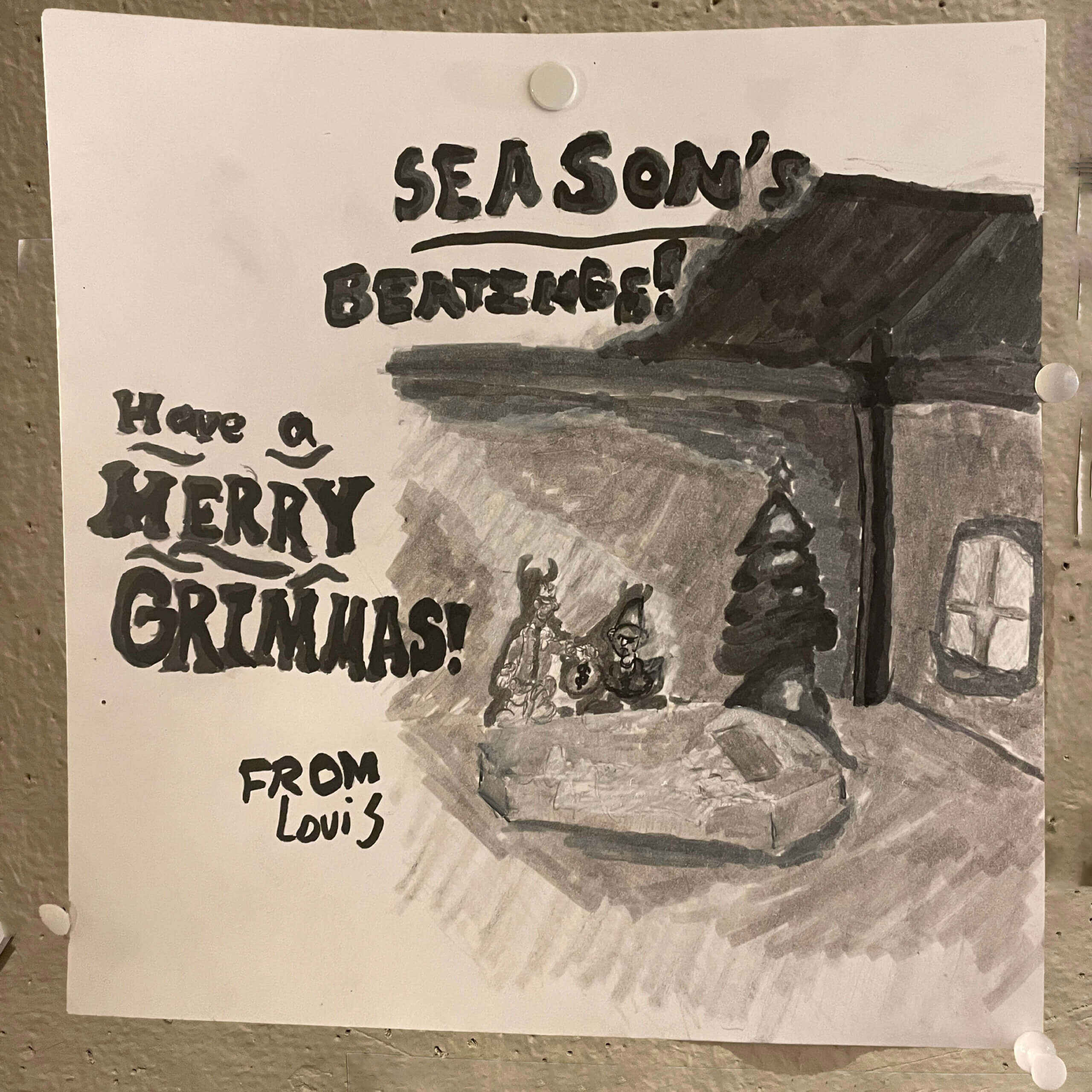
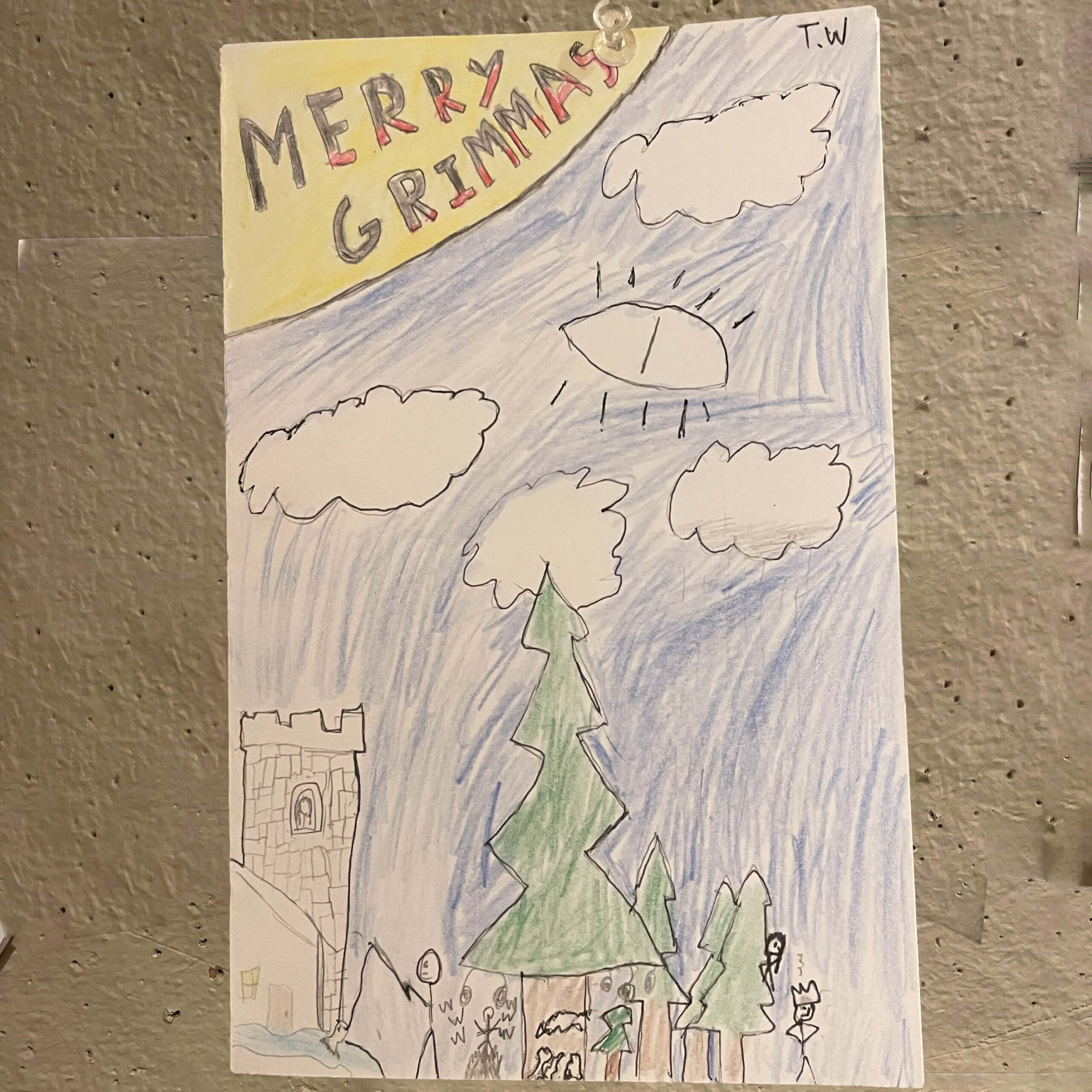
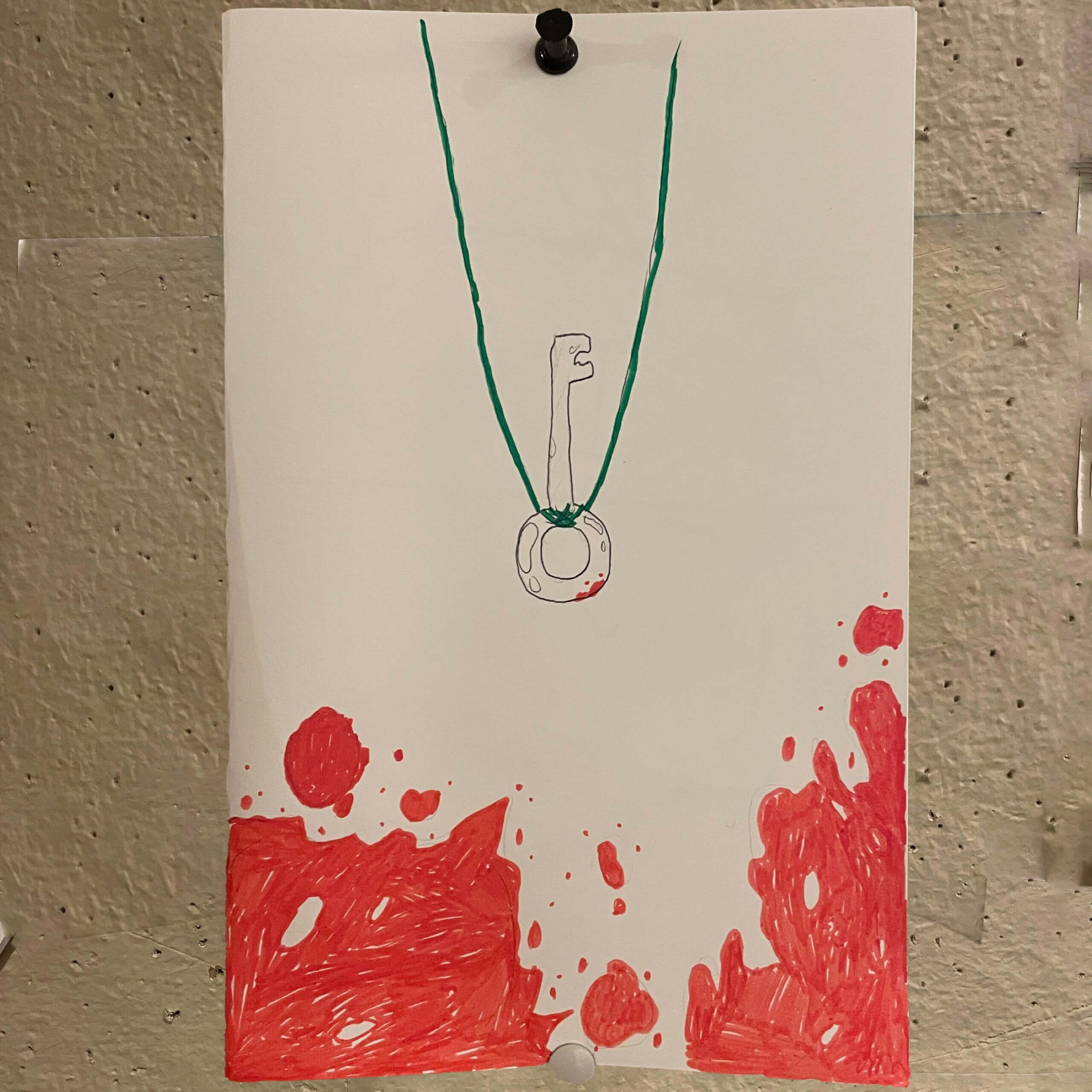
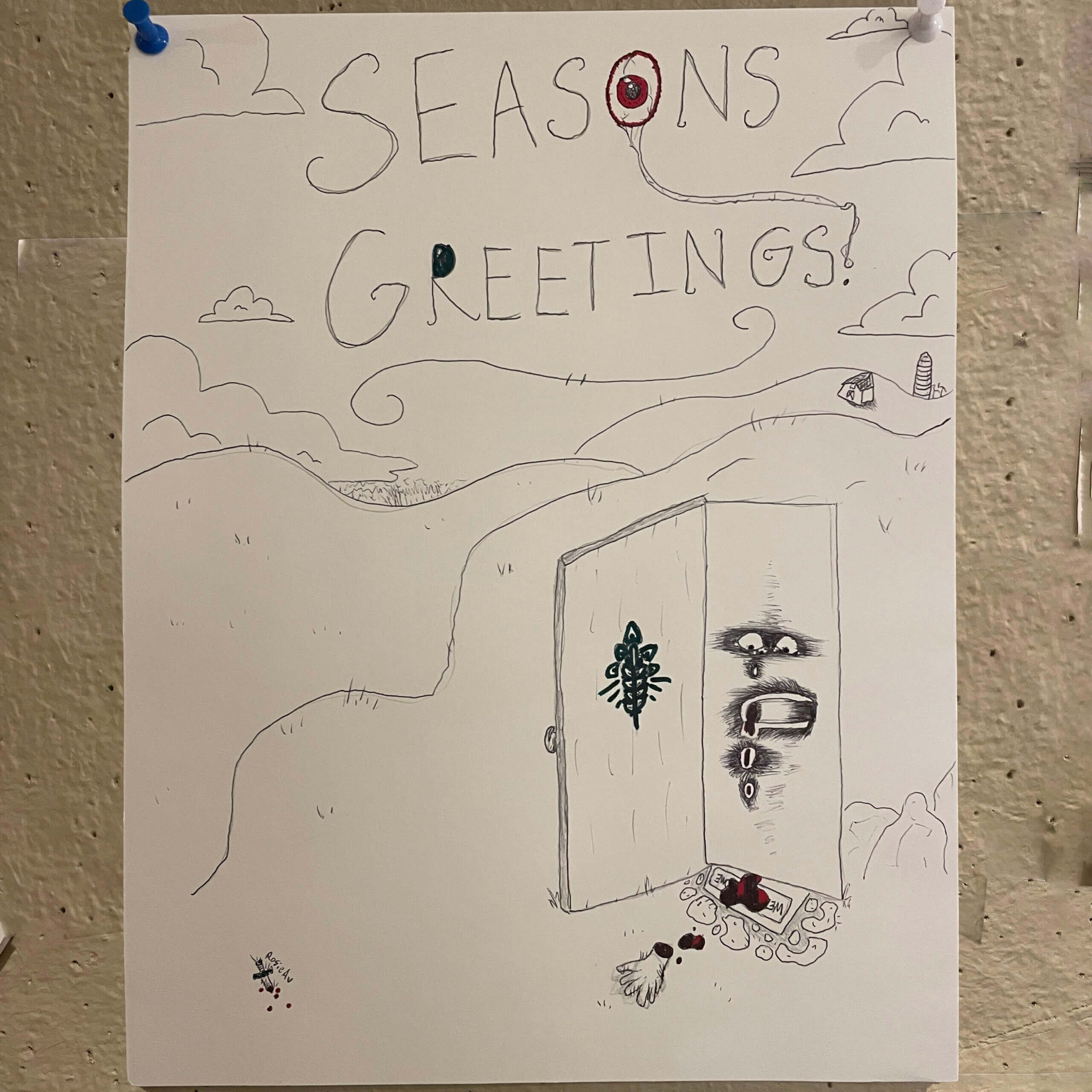
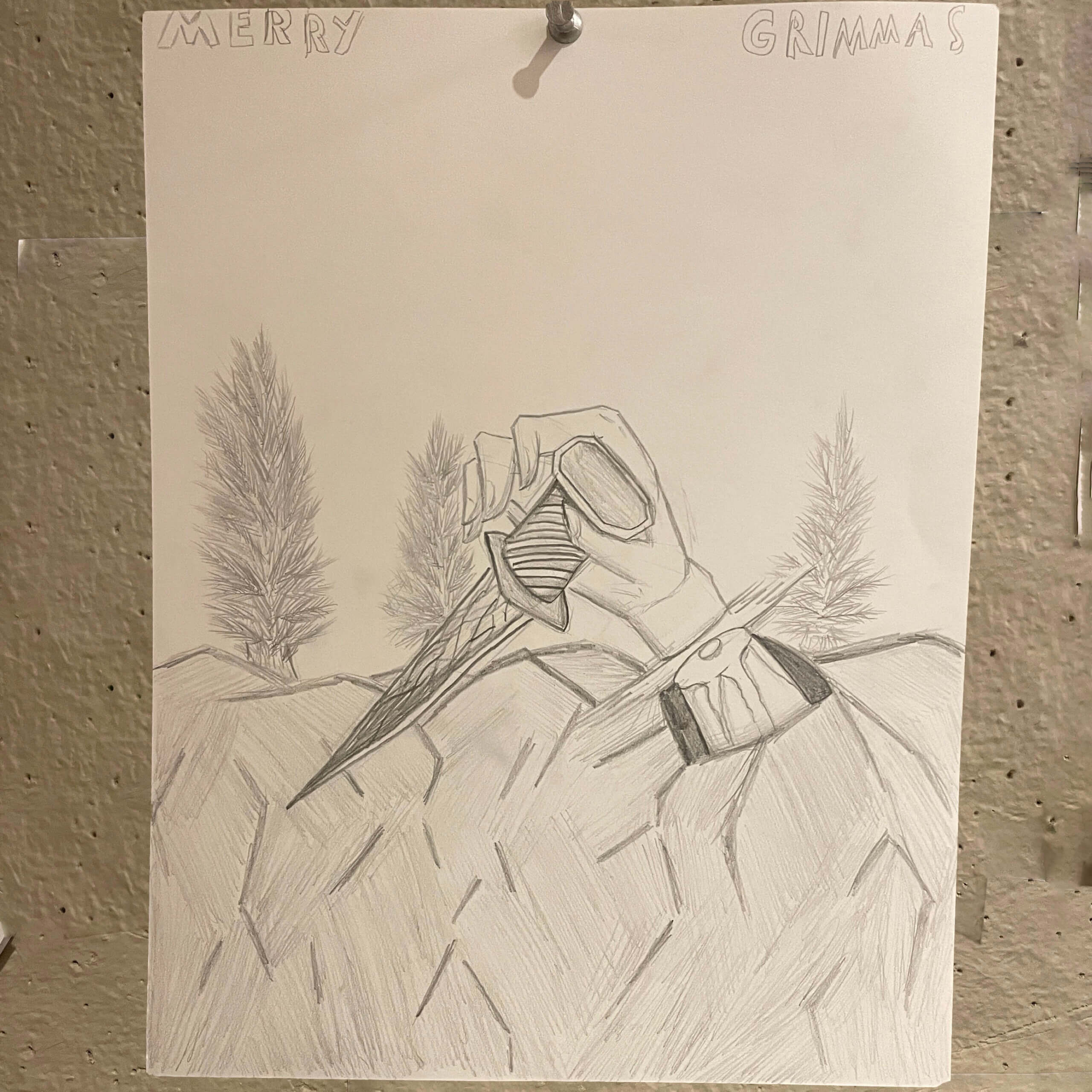
The holiday season inspired the Brothers Grimm class to be a little extra creative. What happens when you combine classic fairytales and greeting cards? Why, you get “Merry Grimmas” cards, of course!
Students in the Weimar Culture class considered the intellectual legacy of the Weimar period through philosophers of the time. Students read “On the Concept of History” by Walter Benjamin and excerpts from Minima Moralia by Theodor Adorno. The class explored questions about historicism, technological development, and the position of the modern subject in light of WWII and the atrocities of the Nazi regime.
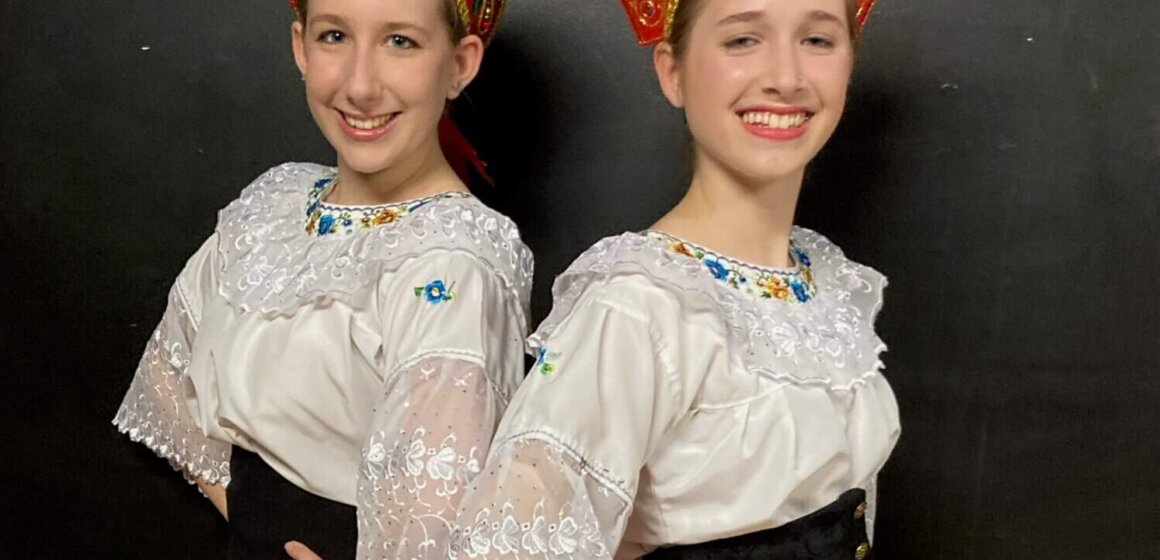
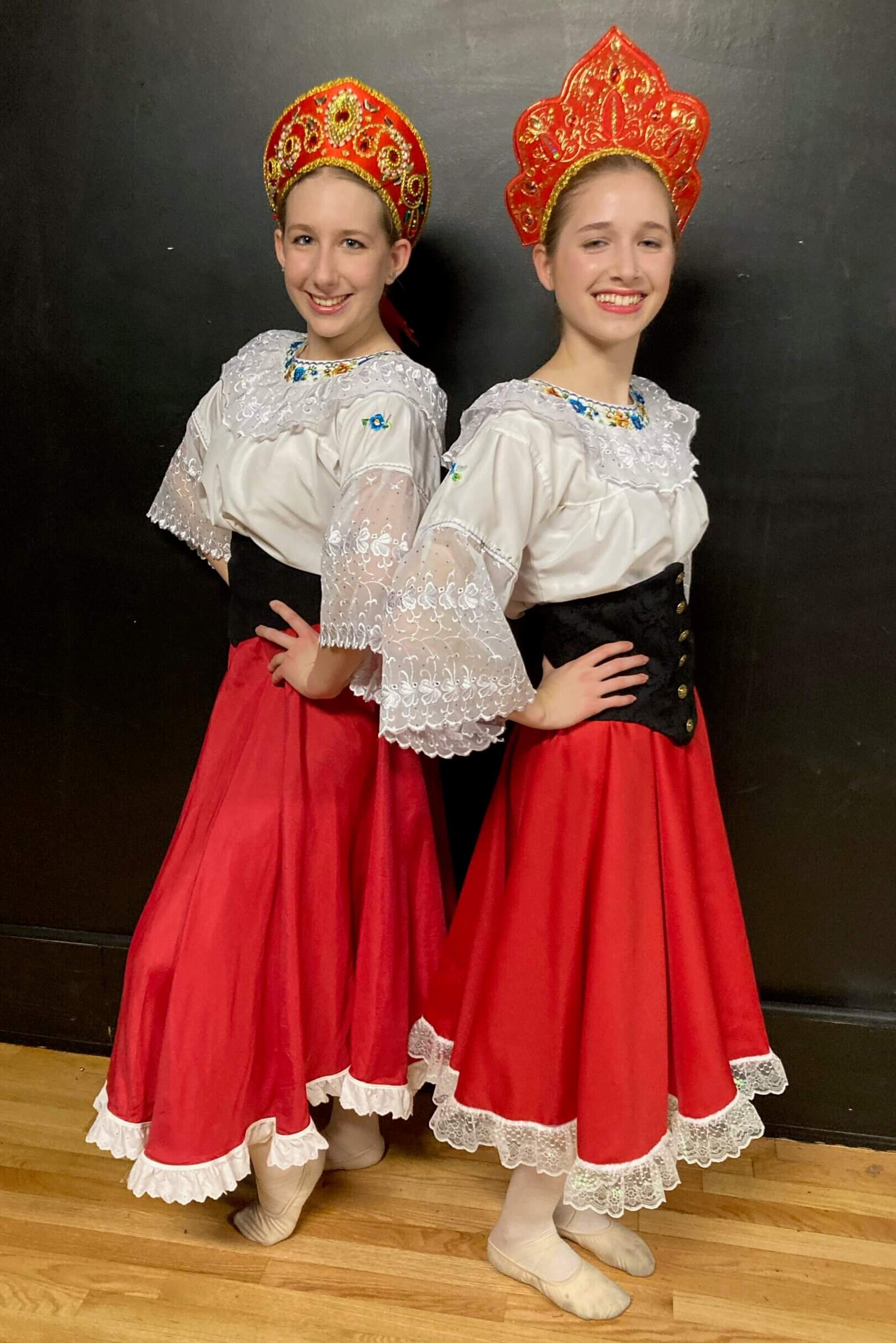
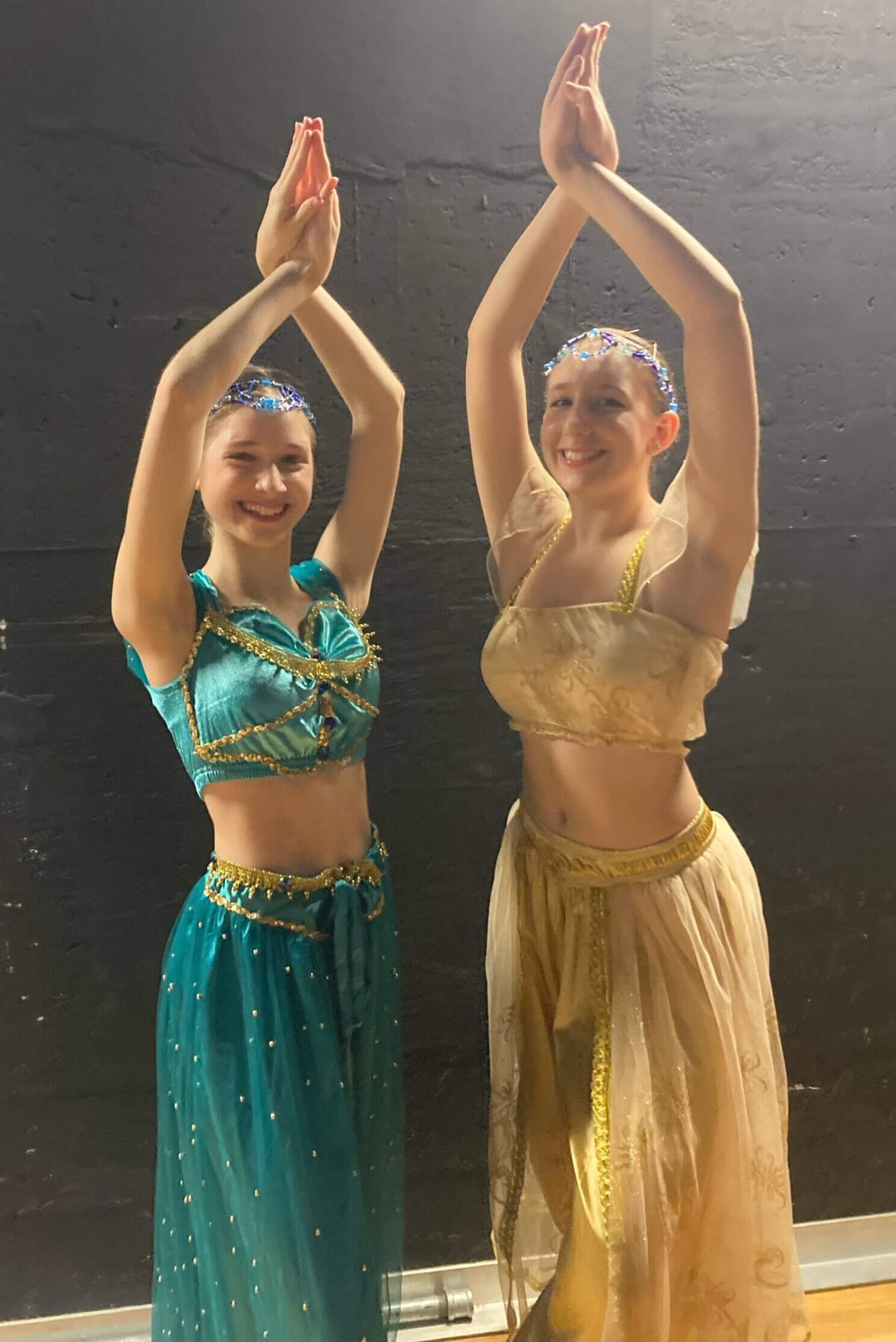
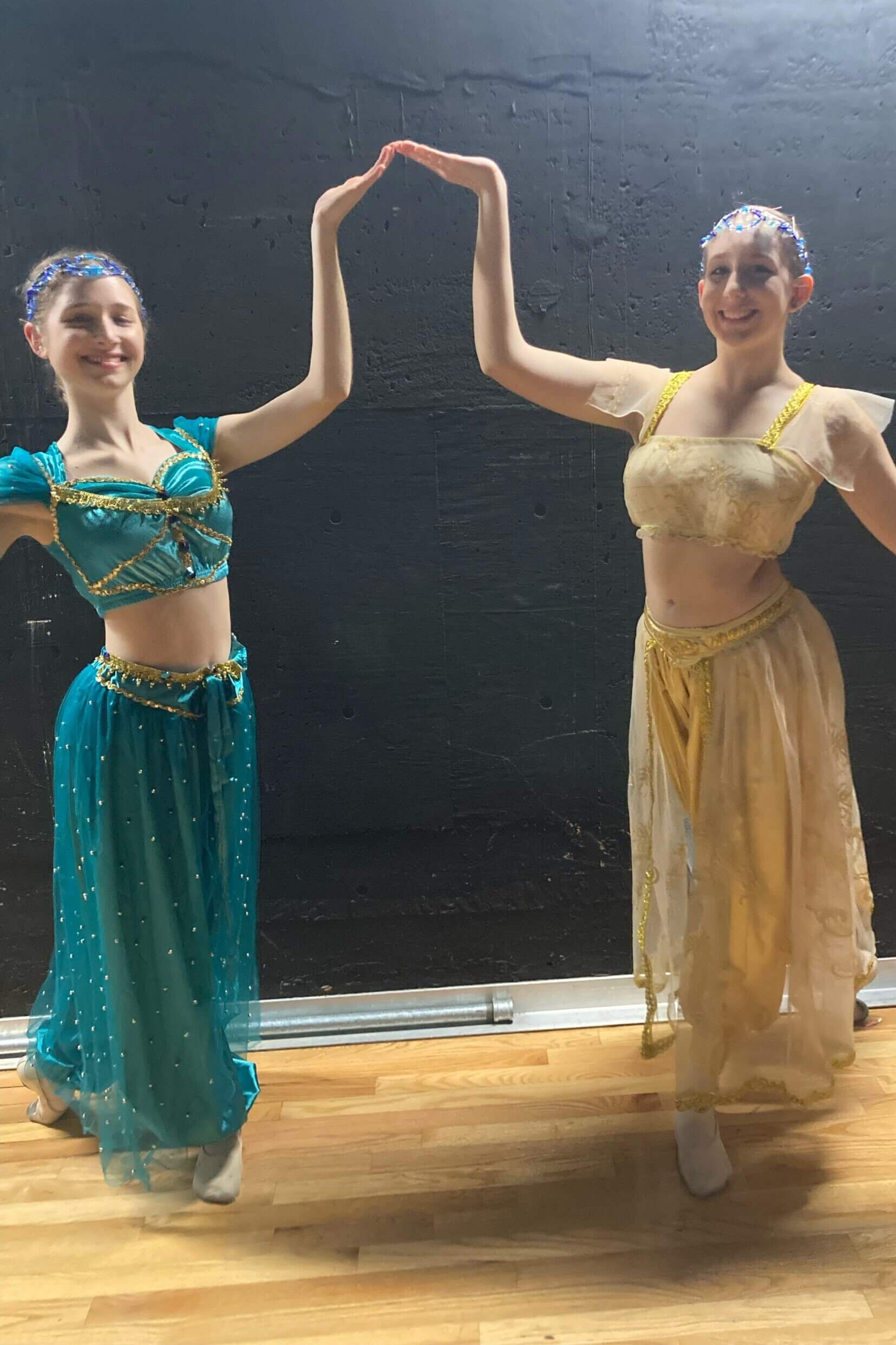
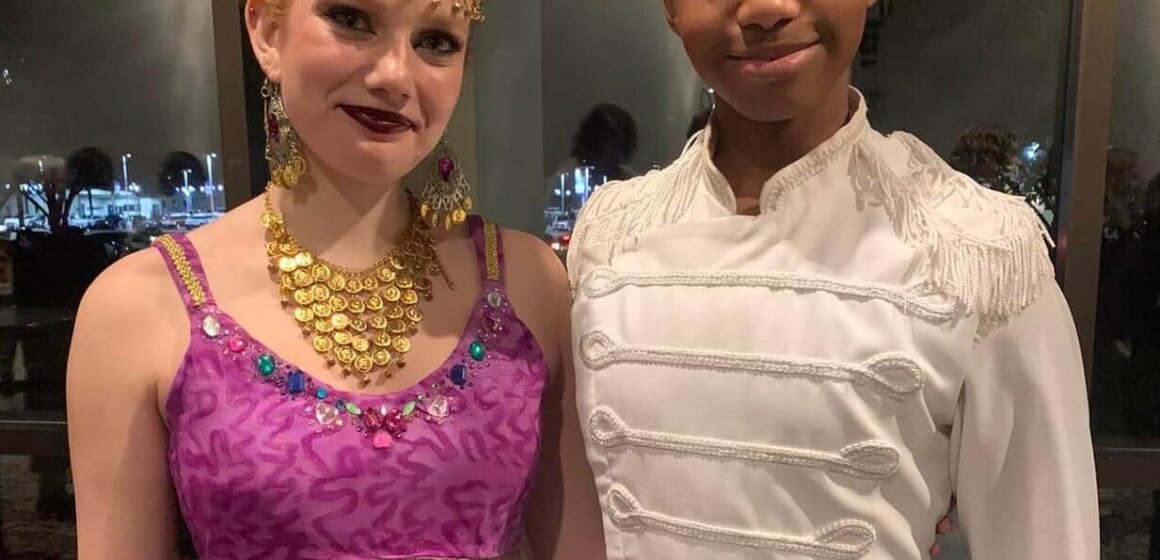
Charlie B (’23) danced as the Nutcracker in the Roanoke Ballet Theatre’s 2023 Nutcracker production. Current students Emma S and Sariye D also performed in several roles throughout the ballet.
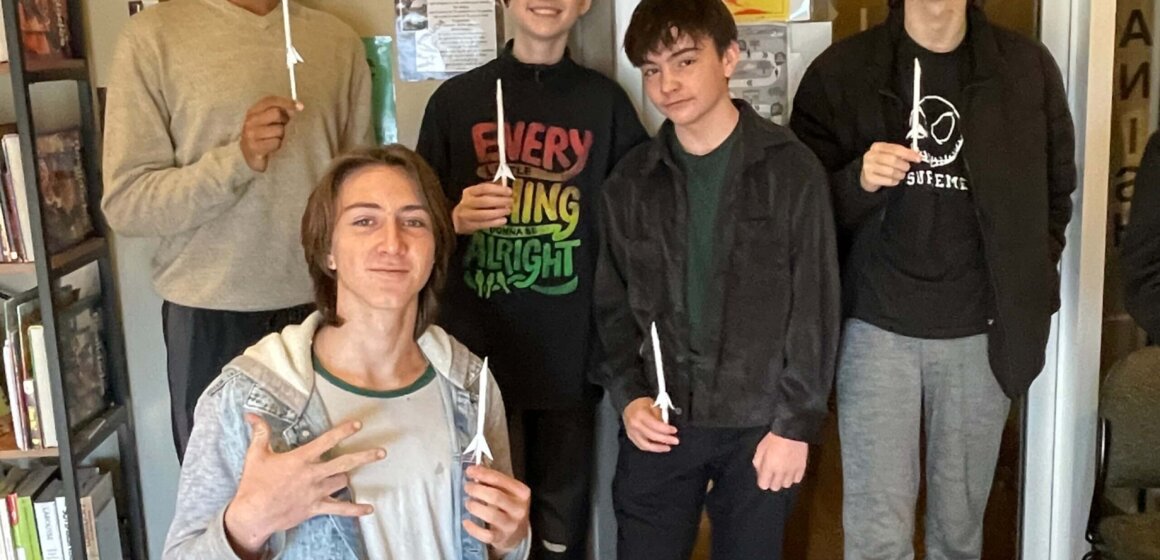
Students constructed soda-straw rockets following instructions written solely in Spanish from the NASA Jet Propulsion laboratory at the California Institute of Technology. The best rockets were launched over 30 feet. The top 4 creators (in order) were Ronan, Wilbur, Sam, and Desmond.
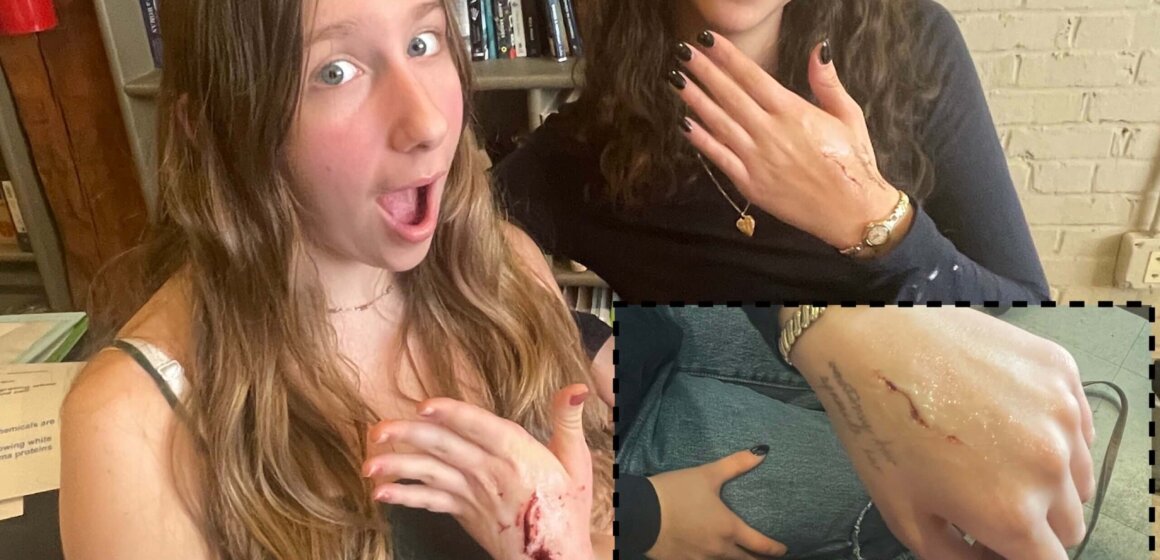
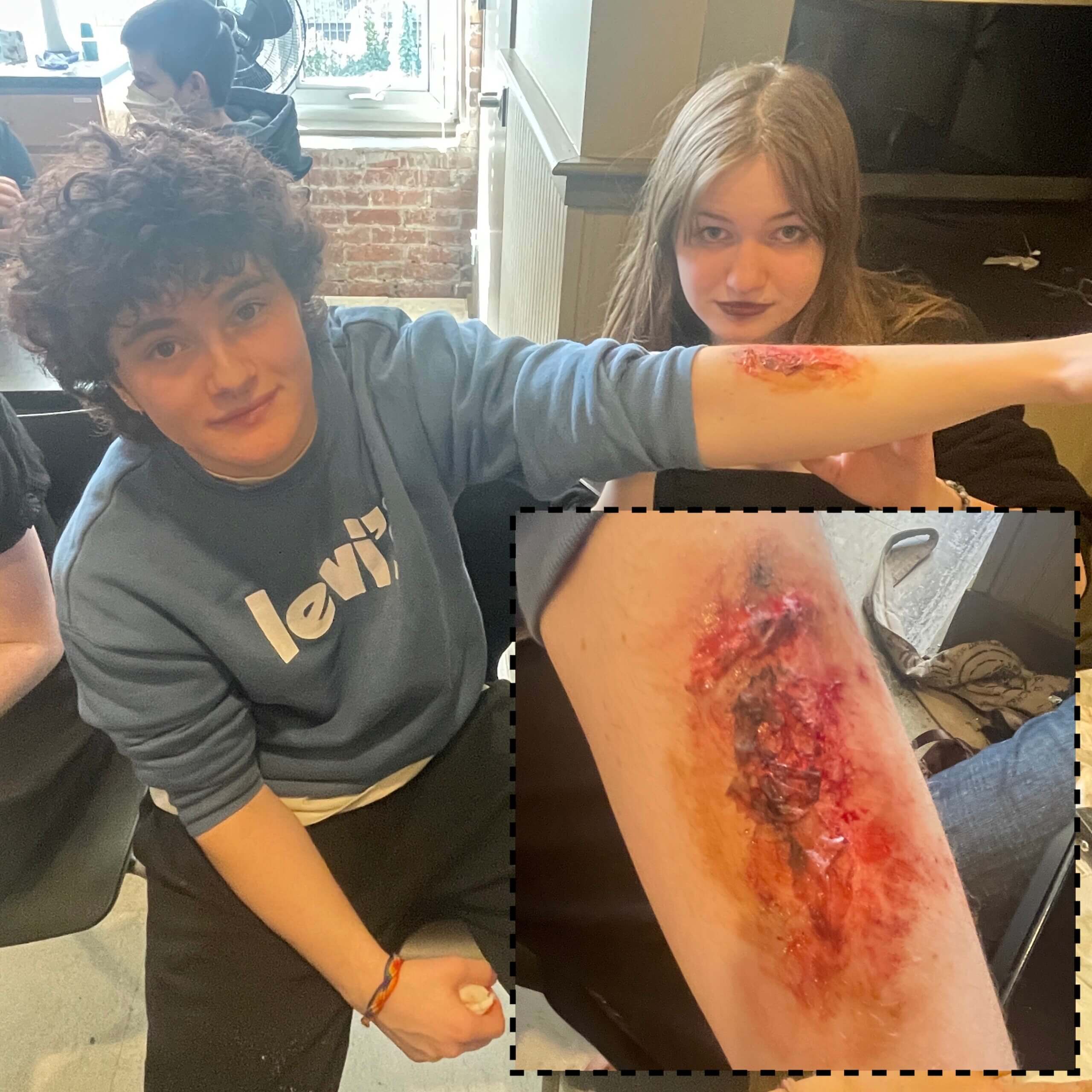
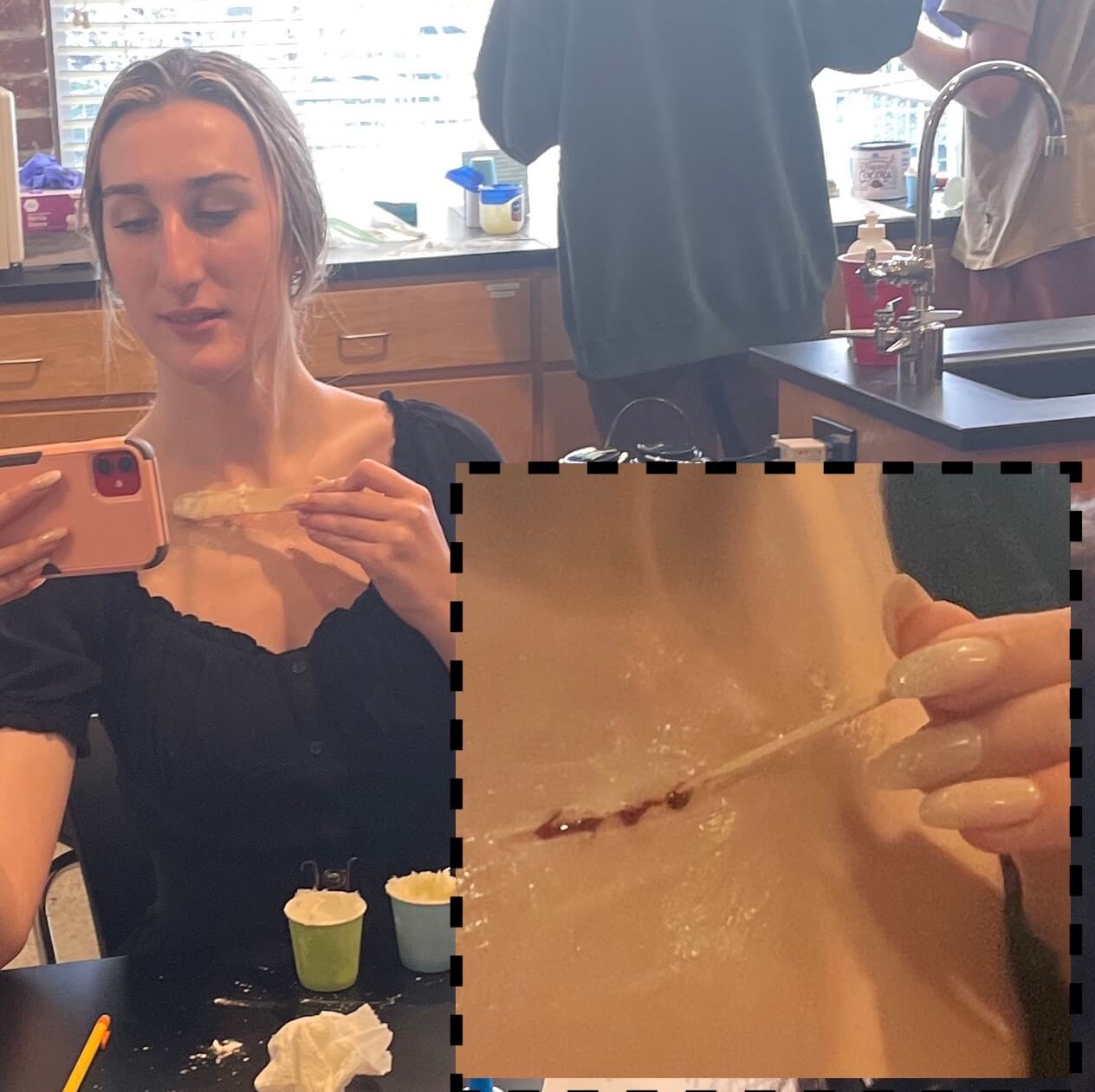
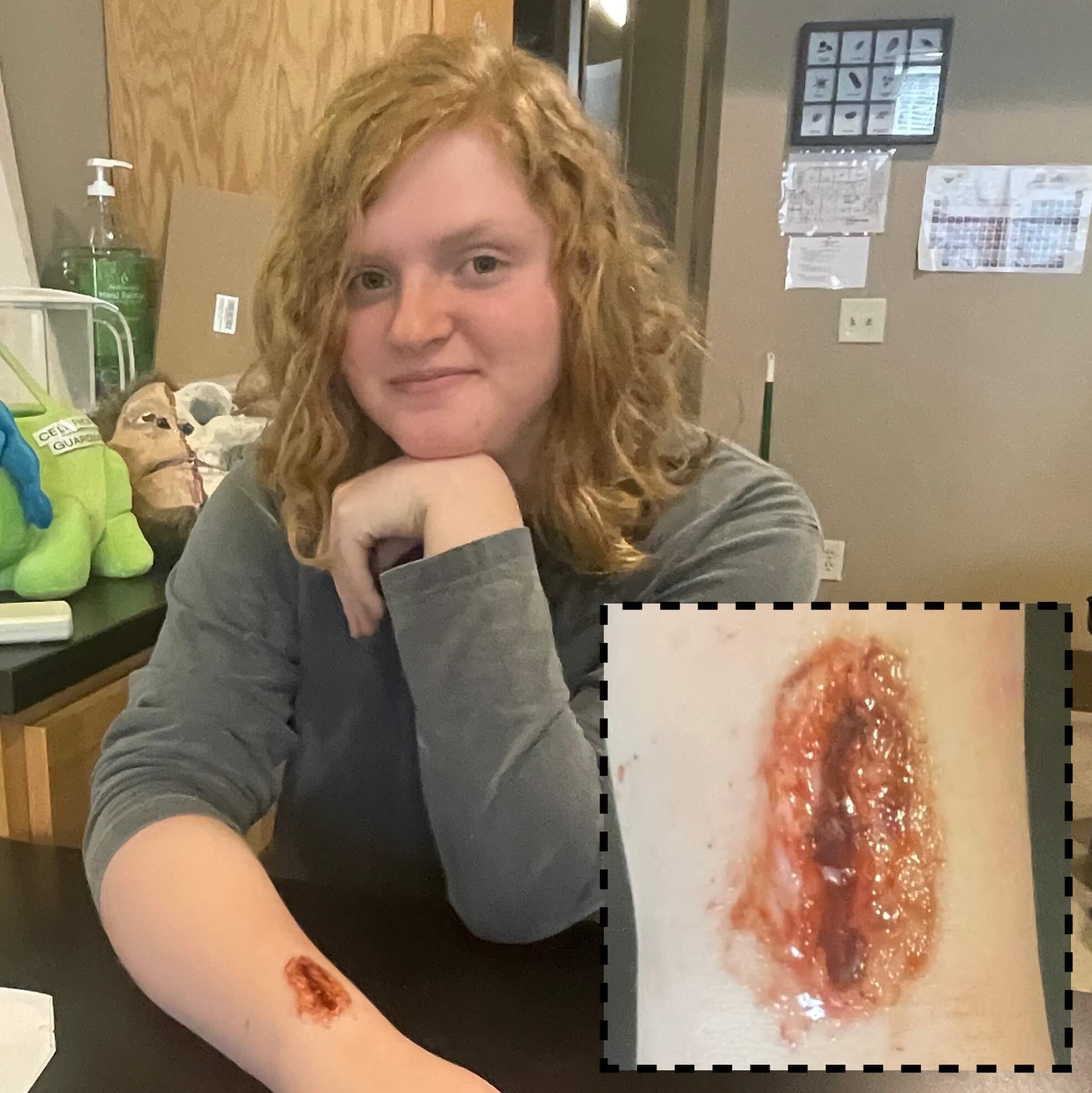
Anatomy students created “wounds” on themselves or others using a variety of household materials. After creating their laceration, abrasion, avulsion, or puncture, they analyzed which layers of skin were affected and which structures in each layer were damaged. They also discussed whether or not scarring would result from their wound, as well as how the body would “wall off” their particular injury and why that would be necessary. To finish up the study, students discussed the stage of healing their wound would be in after a week’s time, as well how that healing process may be different for someone who is a diabetic.
Bella T’s passion for theater began at a very young age, and she has been involved in various theater programs ever since. She started taking classes with Virginia Children’s Theater (VCT) and Mill Mountain Theater (MMT) when she was only four or five years old. Since then, she has continued to work with them and is currently a student of Mill Mountain Theater’s Acting and Music Theater Conservatory (MMTC). Bella is also a member of their Student Advisory Board, which allows her to provide feedback on the theater’s programs and activities.
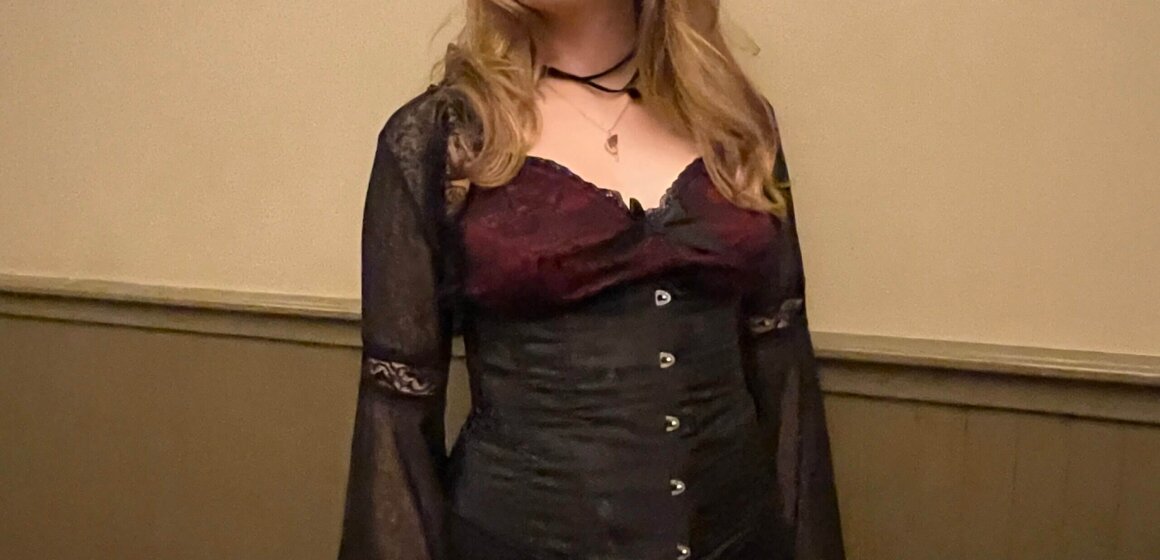
Bella has also taken classes with Showtimers Theater, PB&J Theater, the New York Film Academy, and the University of North Carolina School of Arts. Her dedication to theater has paid off, and she has been involved in several productions. Some of her favorites include Out Of The Shadows (VCT), Cinderella (VCT), As You Like It (MMT), Lift Every Voice (VCT), and Charlotte’s Web (MMT). Most recently, Bella made her debut on the CHS stage as Marilla in our production of Dracula: a feminist, revenge fantasy, really.
These productions have allowed her to showcase her acting skills and grow as a performer. Bella is grateful for all the opportunities that theater has given her, and she considers it to be a life-changing experience that has allowed her to express herself freely. Additionally, Bella’s interest in theater is not limited to acting. Currently she is working on writing and staging a show with MMTC. Bella is beyond thankful for the chance to improve her theater skills at CHS, and looks forward to a bright future in theater.
Indoor rock-climbing is an exciting and challenging activity. Our PE students took a trip to River Rock Climbing for an opportunity to engage in physical activity while also improving coordination, balance, and strength. Climbing also requires mental focus and problem-solving skills, making it a great activity for developing cognitive abilities while having fun.
Learning a foreign language can be a challenging but rewarding experience, and reading books can be an effective way to improve language skills. Our students read a variety of books in Spanish to help improve their vocabulary and grammar, but this also helps with developing a better sense of the language’s structure and syntax, making it easier for them to write and speak in Spanish.
Epithelial tissue is one of the four types of tissue found in the human body. It is composed of cells that form the lining of various organs and body cavities.
In the Anatomy class, students were tasked with creating models of different types of epithelial tissue using Playdoh to include simple columnar, simple squamous, stratified columnar, pseudo-stratified columnar, and stratified cuboidal.
Statistics students conducted a bungee jumping experiment by attaching dolls to an increasing number of rubber bands. They measured how far the doll would drop each time they added a band, and after they added the 7th band they plotted the data and predicted the ideal number of rubber bands they should use to bungie jump their toy from the back stairwell. The goal is to get as close as possible to the floor without actually hitting it.